TL;DR
Compliance training is a necessary gateway to substantive work—completing it efficiently and understanding its real-world importance transforms this administrative task from frustration into professional preparation.
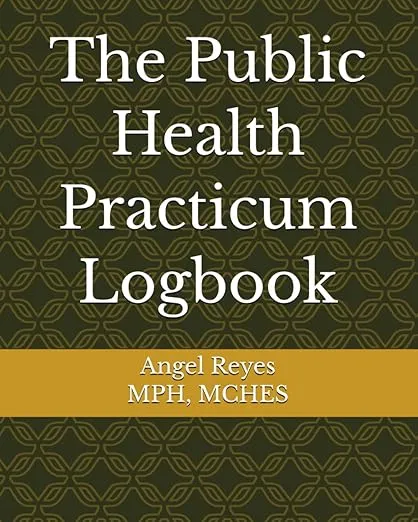
Stop Scrambling at the End of Your Practicum
The Public Health Practicum Logbook gives you the structure to track hours, map competencies, and build portfolio-ready evidence—all semester long.
Get Your Copy on AmazonYour first practicum week arrives, and instead of launching into meaningful public health work, you're clicking through modules. HIPAA training. Workplace safety. Information security. Harassment prevention. Emergency procedures. Organizational policy review. Hours pass in front of a screen, answering quiz questions about scenarios you've never encountered, while your actual project waits.
The compliance training time tax frustrates many practicum students eager to contribute. Understanding why these requirements exist, completing them efficiently, and recognizing their practical value can help you navigate this phase without resentment derailing your experience.
Why Compliance Training Exists
Organizations face legal and regulatory obligations to ensure everyone with access to protected information, workplace facilities, and organizational systems understands relevant rules and procedures. HIPAA isn't optional for healthcare organizations—it's federal law with serious penalties for violations. Safety training protects both you and the organization from preventable harm.
When compliance failures occur, organizations face consequences: fines, lawsuits, reputational damage, and harm to the people they serve. Required training creates documentation that the organization met its duty to inform. This isn't just bureaucratic cover—it reflects genuine risk management.
As a practicum student, you're often in the same spaces, accessing the same information, and interacting with the same populations as employees. The organization can't provide different levels of protection based on employment status.
Common Compliance Training Requirements
HIPAA training is nearly universal for any placement involving health information. This covers protected health information (PHI), proper handling procedures, breach notification requirements, and patient rights.
Information security training covers password practices, data handling, phishing awareness, and appropriate technology use. Safety training varies by setting—hospital placements may require extensive modules on everything from fire evacuation to bloodborne pathogen exposure, while office-based placements might have simpler requirements.
Human resources training typically includes harassment prevention, workplace conduct expectations, and reporting procedures. Organization-specific orientation covers mission, values, structure, and site-specific procedures.
Strategies for Efficient Completion
Group similar trainings and batch them rather than spreading them across days. Dedicated blocks of compliance training are more efficient than switching between this and other work repeatedly.
Take advantage of previous completions. Some trainings transfer between institutions. If you completed CITI training, HIPAA certification, or similar modules elsewhere, check whether those count. Provide documentation proactively rather than redoing unnecessarily. This is one area where keeping organized records of all your practicum paperwork pays immediate dividends.
Focus on learning, not just passing quizzes. Rushing through modules to click correct answers wastes an opportunity. The scenarios in training reflect real situations you might encounter.
Complete training before your first day when possible. If sites provide access to training platforms ahead of your start date, doing compliance work before your practicum hours begin means you arrive ready for substantive work.
Track your completion documentation. Save certificates, completion confirmations, and any other records of finished training. You'll likely need this documentation again for future positions.
Understanding HIPAA in Practice
HIPAA training often feels abstract, but its principles shape daily practice in health settings. The core principle is that health information is sensitive and people have rights over it. Inappropriate disclosure—even unintentional—can harm people through discrimination, embarrassment, or breach of trust.
Minimum necessary access means you should only access information required for your specific work. Just because you can view records doesn't mean you should.
Physical and verbal privacy matter beyond electronic records. Discussing cases in elevators, leaving documents visible, or having conversations where others can overhear all create risks. Environmental awareness is constant, not just during training.
Breach response requires immediate action. If you suspect information may have been inappropriately accessed or disclosed, report it immediately through proper channels.
When Training Reveals Real Gaps
Sometimes compliance training surfaces things you genuinely didn't know. Perhaps you didn't fully understand what constitutes PHI, or you've been casual about password practices. Take these revelations seriously rather than treating them as box-checking.
Ask your preceptor about site-specific applications. How does your organization handle the situations training described? These conversations translate general training into practical guidance. Similar to navigating IRB requirements, understanding the "why" behind compliance processes helps you work within them more effectively.
The Bigger Picture
Compliance training represents one facet of professional socialization. While the format may be tedious, the content reflects the infrastructure that makes public health work possible. Organizations that handle health information and serve vulnerable populations must ensure everyone understands their responsibilities.
Complete the training thoroughly, understand its importance, and move into the substantive work your practicum offers. And if you find yourself waiting on background checks or other clearance processes simultaneously, know that these administrative gates open—and the meaningful work on the other side is worth the patience.
FAQ
Q: Can I count compliance training hours toward my practicum hour requirement? A: Most programs allow you to count mandatory training completed at your practicum site as legitimate practicum hours. Confirm with your faculty advisor, but onboarding activities required by the site are generally considered part of the practicum experience.
Q: What happens if I accidentally violate HIPAA during my practicum? A: Report the potential violation immediately to your preceptor and the organization's privacy officer. Prompt reporting is always better than trying to hide or minimize the issue. Accidental violations happen, and organizations have processes for responding. Your response to the incident matters more than the mistake itself.
Q: Do I need to redo compliance training if I switch practicum sites? A: Usually yes. Each organization has its own training requirements and needs documentation that you completed their specific modules. However, some certifications like CITI training may transfer. Ask both sites about what can carry over.
Graduate School Success Video Series
Complement your learning with our free YouTube playlist covering essential strategies for thriving in your MPH program and beyond.
Watch the PlaylistFor more graduate school resources, visit Subthesis.com