TL;DR
Background checks and clearances are non-negotiable for many practicum sites, but early initiation, thorough documentation, and clear communication can minimize delays and keep your timeline on track.
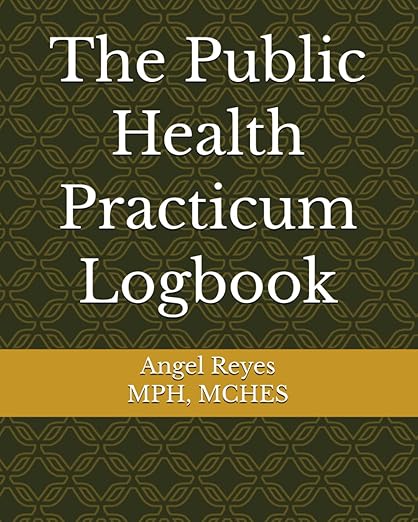
Stop Scrambling at the End of Your Practicum
The Public Health Practicum Logbook gives you the structure to track hours, map competencies, and build portfolio-ready evidence—all semester long.
Get Your Copy on AmazonYou've secured an excellent practicum placement at a community health center. You're excited to begin. Then comes the list: criminal background check, child abuse clearance, FBI fingerprint check, drug screening, TB test, immunization verification. Each has its own process, cost, and timeline. What you thought would take a week takes six. Your start date keeps moving.
Clearance and background check delays are common practicum obstacles, particularly for placements serving vulnerable populations. Healthcare settings, schools, government agencies, and organizations working with children or elders often require extensive screening. Understanding and preparing for these requirements is essential for keeping your practicum on track.
Understanding Why Clearances Are Required
Organizations serving vulnerable populations have legal and ethical obligations to screen people who will have access to clients. Child abuse clearances, criminal background checks, and other screenings protect populations who may be at risk from people in positions of trust.
These requirements aren't bureaucratic obstacles—they're safeguards that responsible organizations take seriously. Even when delays are frustrating, the underlying purpose matters. Your future career in public health will likely involve similar requirements repeatedly.
Different sites require different clearances based on their populations, funding sources, and organizational policies. A hospital placement might require different screenings than a community organization. Government agencies often have additional requirements. Working with children typically triggers specific child protection clearances.
The lack of standardization creates complexity. Clearances that satisfy one site may not transfer to another. State-specific requirements vary significantly. Some clearances expire and need renewal. Understanding exactly what your site requires—not what another site needed—prevents wasted time and effort.
Common Clearances and Their Timelines
Criminal background checks vary by level. Basic name-based checks through state repositories often return within days. FBI fingerprint-based checks can take weeks, sometimes months during high-volume periods. Some positions require both.
Child abuse clearances are required in most states for positions involving contact with minors. Processing times vary by state, ranging from immediate online results to multi-week waits for paper applications.
TB testing requires either a skin test (with a reading visit 48-72 hours later) or a blood test. Positive results require follow-up, potentially including chest X-rays. Some sites require annual TB screening, so check if previous results still qualify.
Drug screenings typically require scheduled visits to testing facilities with results within days, though positive results trigger additional processes. Medical review of prescription medications that cause positive results can extend timelines.
Health screenings and immunization verification require documentation of required vaccinations or titer results showing immunity. Missing vaccinations need scheduling and sometimes series completion over weeks or months.
Professional license verification, if applicable, depends on state licensing board processing times. Some verifications are near-instant; others take weeks.
Strategies for Minimizing Delays
Start early—earlier than you think necessary. As soon as you know your placement site is likely, ask what clearances they require. Begin processes immediately, even before final placement confirmation. Most clearances remain valid for at least a year, so early completion rarely wastes effort.
Get the complete list upfront. Ask your site contact to specify every requirement for onboarding. Get this in writing. Check whether your program has additional requirements beyond what the site specifies. Missing a single requirement can delay your start even if others are complete.
Budget for costs. Clearances aren't free. FBI checks, fingerprinting, drug screenings, and medical tests each carry fees that can total hundreds of dollars. Some programs reimburse these costs; many don't. Knowing expenses upfront prevents financial surprises.
Maintain organized records. Create a folder—physical or digital—containing copies of all clearance documents. Note expiration dates. Having these records accessible streamlines future placements and employment that require similar documentation.
Follow up proactively. If processing takes longer than indicated, contact the relevant agency. Sometimes applications get lost or stuck. A polite inquiry can unstick stalled processes. Don't assume no news means progress is happening.
Communicate with your site about status. Keep your preceptor and site contact informed about where you are in the clearance process. If delays occur, they need to know. Early communication allows for planning; last-minute surprises create problems.
Navigating Complications
Sometimes clearances surface issues that require additional attention. A name match with someone else, an old minor charge, or a childhood record that should have been expunged can all create complications.
Don't panic, but do act quickly. Contact the relevant agency to understand what additional information or documentation they need. Provide requested materials promptly.
Be honest with your program and site if significant issues arise. Many organizations evaluate background findings in context rather than applying blanket disqualification. An old minor charge may not prevent placement. But attempting to hide information that will surface anyway damages trust irreparably.
If complications threaten your placement, explore alternatives with your program. Some issues that disqualify you from certain sites may not affect others. Your program has likely navigated similar situations before.
Using Waiting Time Productively
If clearance delays postpone your start date, use the time strategically rather than simply waiting.
Complete any online training your site requires. Many organizations have orientation modules, HIPAA training, or policy reviews that can happen before clearances finalize. Getting these done during the wait means you can focus on substantive work once you start.
Familiarize yourself with the organization and its work. Review their website, read annual reports, understand their programs and populations. This preparation helps you contribute meaningfully from day one.
Begin academic components that don't require site presence. Literature reviews, competency planning, and learning agreement development can proceed during clearance delays.
Stay in communication. Check in periodically with your site contact. Express continued enthusiasm. Ask if there's anything you can prepare or learn before starting. This initiative reflects well professionally.
Clearance requirements are an administrative reality of public health work. They're particularly significant in clinical and direct service settings serving vulnerable populations. Learning to navigate these processes efficiently is itself a professional skill. With early action, thorough preparation, and proactive communication, you can minimize delays and begin your substantive practicum work as scheduled.
Graduate School Success Video Series
Complement your learning with our free YouTube playlist covering essential strategies for thriving in your MPH program and beyond.
Watch the PlaylistFor more graduate school resources, visit Subthesis.com