TL;DR
Genuine competency evidence comes from specific examples of real work that naturally demonstrates skills—focus on authentic reflection rather than manufactured documentation.
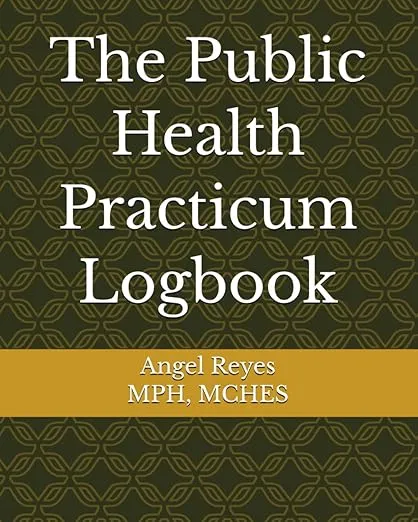
Stop Scrambling at the End of Your Practicum
The Public Health Practicum Logbook gives you the structure to track hours, map competencies, and build portfolio-ready evidence—all semester long.
Get Your Copy on AmazonYou're staring at the competency documentation template, trying to fill in boxes that feel disconnected from the real work you've done. The prompts ask for sterile descriptions that strip the meaning from experiences that actually mattered to you. Competency demonstration feels like a bureaucratic exercise, not genuine reflection on professional growth.
This frustration is valid. Poorly designed documentation processes can reduce meaningful experiences to checkbox compliance. But competency demonstration doesn't have to feel artificial. With the right approach, you can satisfy requirements while honestly reflecting on authentic development.
Why Documentation Feels Bureaucratic
Several factors create the checkbox feeling. Generic prompts ask for abstracted descriptions that lose specificity. Competency language feels formal and disconnected from how you actually think about your work. Time pressure encourages minimal compliance rather than thoughtful reflection.
The underlying problem is often that students treat documentation as a separate activity from the work itself, something done afterward to satisfy academic requirements. This approach makes documentation feel artificial because it is artificial—disconnected from the authentic experience it's supposed to capture. It's the same after-the-fact trap that makes retrofitting practicum work to competencies feel so forced. If you find yourself struggling with competency language as though it were a foreign tongue, the disconnect becomes even more pronounced.
Integrating Documentation with Experience
The first shift is treating documentation as part of your learning rather than an afterthought. When you reflect on competency development in real time, documentation becomes genuine processing rather than manufactured reconstruction.
Keep notes throughout your practicum, not just for reporting hours, but for capturing specific moments of growth. When you notice yourself using a skill, write it down. When you struggle with something and work through it, document that process. When you receive feedback that changes your practice, record what you learned.
These in-the-moment observations become the raw material for authentic documentation. You're not inventing connections later—you're capturing genuine development as it happens.
Specificity Creates Authenticity
Generic statements feel bureaucratic; specific examples feel real. Compare these two competency claims:
"I demonstrated evidence-based approaches in my practicum work by using research to inform decisions."
"When designing our diabetes education curriculum, I reviewed the American Diabetes Association Standards of Care and three systematic reviews on peer-led interventions. Based on this evidence, I recommended incorporating peer educators rather than relying solely on clinical staff, which our pilot data later supported."
The first could be written by anyone without any real experience. The second could only come from someone who actually did the work. Specificity is the difference between checkbox compliance and authentic evidence.
When documenting, include enough detail that someone could verify your claims by looking at your actual work products. Name the sources you used. Describe the specific decisions you made. Explain the concrete outcomes that resulted.
Honest Reflection Over Impression Management
Students sometimes treat competency documentation as impression management—presenting themselves in the best possible light rather than honestly reflecting on their development. This undermines authenticity.
Genuine competency documentation includes struggles, not just successes. It acknowledges what was difficult and how you worked through challenges. It recognizes limitations while demonstrating growth. Paradoxically, this honesty often creates more convincing competency evidence than polished, struggle-free narratives.
Describing how you initially struggled with stakeholder engagement but developed more effective approaches through experience demonstrates more competency than claiming engagement always came naturally. The struggle-to-growth arc shows learning happened—which is what competency development means.
Connecting Work to Competency Language
Authentic documentation still needs to connect your experiences to formal competency language. The key is translation rather than distortion. You're not manufacturing connections—you're expressing genuine experiences in vocabulary that matches the framework.
Read competency statements and identify which ones genuinely resonate with your experience. Don't force every competency to fit; focus on the ones where real connections exist. Then use competency vocabulary to describe what you authentically did. When competency overlap creates confusion, focus on the strongest, most genuine connection rather than stretching to cover every possible category.
If the competency mentions "evidence-based approaches," and you genuinely used research to inform your work, describe that use with specific examples. The language might feel formal, but the underlying experience is real. You're not checking a box—you're articulating genuine practice in appropriate professional terms.
Making Reflection Meaningful for You
Documentation feels least bureaucratic when it serves your own development, not just external requirements. What did you actually learn? How did you grow as a professional? What will you do differently based on this experience?
Answering these questions for yourself—genuinely, not performatively—transforms documentation from compliance to reflection. The competency framework becomes a lens for understanding your development rather than a checklist to satisfy.
Some students find it helpful to write authentic reflections first, then adapt them for formal documentation requirements. Start with what genuinely matters about your experience. Then shape that reflection into forms that satisfy the competency framework. This preserves authenticity while meeting requirements. The same approach applies when writing the competency mapping section of your ILE—starting from genuine learning moments produces far stronger results than starting from the template.
FAQ
Q: What if my practicum work genuinely does not connect to certain required competencies? A: Be honest about gaps rather than fabricating connections. Acknowledge which competencies your placement addressed and which it did not. Discuss with your advisor whether supplementary activities or alternative evidence might satisfy requirements without forcing artificial documentation.
Q: How much detail is enough for authentic competency evidence? A: Include enough specificity that your description could only have been written by someone who did the work. Name specific tools, populations, methods, and outcomes. Two to three concrete sentences with real details are more convincing than a full paragraph of generic claims.
Q: Can I use the same experience to demonstrate multiple competencies? A: Yes, if the connections are genuine. Real public health work integrates multiple skills simultaneously. When using one experience for multiple competencies, focus each description on different aspects of the work to demonstrate distinct skill areas authentically.
Approach documentation as an opportunity to articulate professional growth you genuinely experienced. The more you invest in honest reflection, the more authentic your competency evidence becomes—and the more meaningful the documentation process feels.
Graduate School Success Video Series
Complement your learning with our free YouTube playlist covering essential strategies for thriving in your MPH program and beyond.
Watch the PlaylistFor more graduate school resources, visit Subthesis.com