TL;DR
Reframing progress reports as reflection tools transforms administrative burden into learning accelerators.
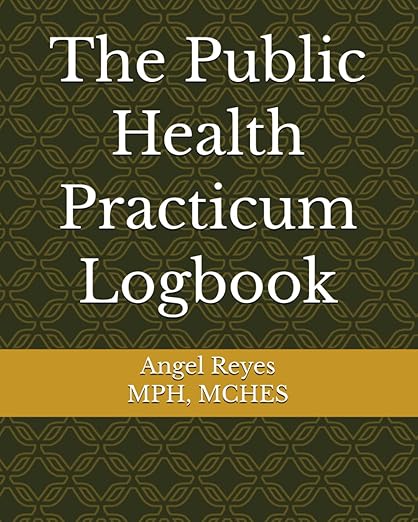
Stop Scrambling at the End of Your Practicum
The Public Health Practicum Logbook gives you the structure to track hours, map competencies, and build portfolio-ready evidence—all semester long.
Get Your Copy on AmazonEvery week, your program requires a progress report to your faculty advisor. You stare at the template wondering what to write that you have not already said. The activities feel repetitive. The hours blend together. Writing these reports consumes time you could spend on actual practicum work, and you question whether anyone even reads them.
This frustration is understandable. Progress reports can feel like bureaucratic box-checking that adds overhead without contributing to your learning. However, these requirements can become valuable if you approach them strategically.
Understanding the Purpose
Progress reports serve multiple functions that may not be immediately apparent. They provide faculty advisors with information needed to support students who are struggling, intervene when placements are not working, and ensure appropriate learning is occurring.
They also create documentation that protects you. If questions arise about your hours, activities, or progress, your reports provide evidence. If your preceptor becomes unavailable and someone questions what you accomplished, your reports establish the record.
Perhaps most importantly, they create structure for reflection that busy schedules otherwise crowd out. The requirement to articulate what you did and learned each week forces processing that enhances learning from experience.
Shifting From Reporting to Reflecting
The difference between tedious reporting and valuable reflection lies in how you approach the task. Simple activity logs document what happened without processing meaning. Reflective updates examine what you learned, what challenged you, and how experiences connect to your professional development.
Instead of writing "attended team meeting," consider what you observed about how the team functions, what you learned about the issue discussed, or how the meeting format compared to what you expected. Instead of "worked on data analysis," explore what you discovered in the data, what skills you applied or developed, or what obstacles you encountered.
This shift takes more thought but produces more value. You emerge from the reflection with clearer understanding of your learning, and your faculty advisor receives information that allows meaningful support.
Making the Process Efficient
If progress reports consume excessive time, examine your process. Some students treat these as formal academic writing, drafting and revising extensively. For weekly updates, this level of polish is unnecessary and counterproductive.
Keep running notes throughout the week. When something notable happens, jot a quick phrase in a document or notes app. When report time arrives, you have material ready rather than trying to reconstruct a week from memory.
Use a consistent structure that works for you. Perhaps you address accomplishments, challenges, questions, and goals for the coming week. Having a framework reduces the cognitive load of deciding what to include each time.
Set a time limit. If you typically spend ninety minutes agonizing over reports, commit to completing them in thirty minutes. This constraint forces efficiency and prevents over-thinking.
Communicating Strategically
Progress reports are also professional communication with faculty who will eventually write recommendations and evaluate your portfolio. Treat them as opportunities to demonstrate competence rather than just compliance.
Highlight learning and growth, not just activities. Faculty want to see that the practicum is developing your capabilities. Connecting experiences to competencies, showing how you applied coursework, and articulating professional development demonstrates that learning is occurring.
Be appropriately honest about challenges. Glossing over difficulties prevents faculty from providing support. However, frame challenges as problems you are working to solve rather than complaints about your placement. "I am working on developing more efficient approaches to data cleaning" reads differently than "the data is a mess and takes forever to fix."
Ask questions when you have them. Progress reports can prompt faculty input on situations where you want guidance. Even brief questions show engagement and initiative.
Using Reports for Self-Assessment
Progress reports create a longitudinal record of your practicum experience. Reviewing previous reports reveals patterns you might miss in day-to-day work. Are you making progress on challenges you identified early? Are your activities aligned with your learning objectives? Are certain types of work consistently energizing or draining?
This retrospective analysis informs both immediate adjustments and longer-term career planning. Perhaps you discover that program evaluation work excites you more than anticipated, or that certain populations feel like a natural fit. These insights are valuable beyond your practicum.
Having Conversations About Requirements
If progress reports genuinely do not serve your learning, consider having a conversation with your faculty advisor. Perhaps the template does not fit your placement, or the frequency creates unreasonable burden. Faculty often have flexibility to adapt requirements when students articulate thoughtful alternatives.
Come to this conversation with specific suggestions, not just complaints. What would make this requirement more valuable for you? What information does your advisor need that you could provide more efficiently in another format? This collaborative approach demonstrates professional maturity.
Progress reports do not have to feel like traps. Approached strategically, they become tools for reflection, communication, and documentation that serve your professional development alongside program requirements.
Graduate School Success Video Series
Complement your learning with our free YouTube playlist covering essential strategies for thriving in your MPH program and beyond.
Watch the PlaylistFor more graduate school resources, visit Subthesis.com