TL;DR
Always request examples, rubrics, and explicit expectations from your preceptor and faculty advisor before starting any deliverable to avoid painful revision cycles.
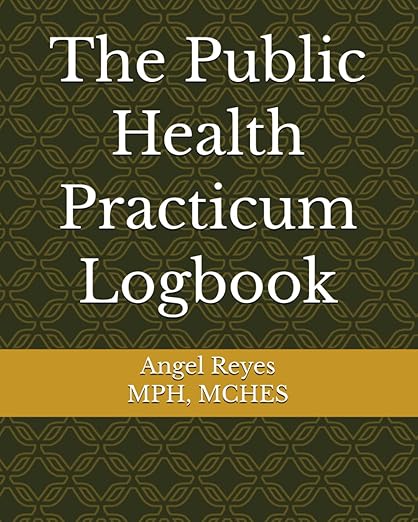
Stop Scrambling at the End of Your Practicum
The Public Health Practicum Logbook gives you the structure to track hours, map competencies, and build portfolio-ready evidence—all semester long.
Get Your Copy on AmazonYou've spent two weeks developing what you thought was an excellent community health assessment report. Your preceptor reviews it and sends it back with extensive comments asking for a completely different format. Sound familiar? The challenge of unclear deliverable documentation standards affects nearly every practicum student at some point.
Why Standards Feel Like a Moving Target
The disconnect between student expectations and actual requirements happens for several reasons. Preceptors, often busy public health professionals, may assume students understand workplace norms that were never explicitly taught in academic settings. Faculty advisors may have different expectations than site preceptors. And the academic language used to describe deliverables doesn't always translate clearly to tangible work products.
This ambiguity isn't intentional. Most preceptors want their students to succeed but may not realize how much guidance students need, especially those in their first professional placement.
The Cost of Assumption
When you assume you understand what's expected, you risk investing significant time in the wrong direction. Repeated revisions drain your energy, extend your timeline, and can damage your confidence. Worse, they may create tension in your preceptor relationship if expectations remain perpetually misaligned.
The solution isn't to become paralyzed by uncertainty. Instead, it's to front-load your clarification efforts before you begin substantial work.
Questions to Ask Before Starting Any Deliverable
Before you write a single word or create a single slide, have a conversation with your preceptor that covers these essential points:
What does a successful version of this look like? Ask for examples of similar deliverables, even if they're from different contexts. Seeing a model helps you understand expectations better than any verbal description.
Who is the audience? A report written for community members looks very different from one written for funding agencies or internal staff. Understanding your audience shapes tone, format, and level of detail.
What format do you prefer? Some organizations have templates or style guides. Others have strong preferences about structure, length, or visual presentation that you won't know unless you ask.
What level of polish is expected? Is this a draft for feedback, a working document, or a final product ready for external distribution? The answer dramatically affects how much time you should invest.
What's the timeline for review and revision? Understanding the feedback cycle helps you plan your time and set appropriate expectations for turnaround.
Creating Your Own Clarity
Sometimes preceptors genuinely don't have specific expectations and are open to your interpretation. In these cases, create your own structure:
Submit an Outline First. Before developing a full deliverable, share a one-page outline with your preceptor. This quick check-in prevents major directional errors and demonstrates your initiative.
Use Professional Standards as a Guide. When organizational templates don't exist, look to professional organizations for models. The CDC, state health departments, and professional associations often publish examples that represent best practices.
Document Agreed-Upon Expectations. After your conversation with your preceptor, send a brief email summarizing what you discussed. This creates a reference point for both of you and prevents misremembered conversations later.
Ask for Iterative Feedback. Instead of presenting a complete deliverable for review, ask if you can share work in progress at defined milestones. This approach catches misalignments early when they're easier to correct.
When Expectations Conflict
Sometimes your preceptor and faculty advisor have different standards. This is more common than you might expect, and navigating it requires diplomacy.
Start by clarifying the purpose each stakeholder sees for the deliverable. Your preceptor may focus on organizational utility while your faculty advisor emphasizes academic rigor. Understanding these different priorities helps you find solutions that satisfy both.
When genuine conflicts arise, communicate openly with both parties. Often, a brief three-way conversation resolves issues faster than you shuttling between them.
Building a Deliverable Documentation Habit
For every practicum deliverable, create a brief documentation page that captures: the deliverable name and purpose, the intended audience, format requirements, quality standards, key deadlines, and feedback from each review cycle.
This practice not only prevents confusion but also creates valuable material for your final portfolio. You'll be able to demonstrate your professional approach to project management alongside the deliverables themselves.
Unclear expectations are frustrating, but they're solvable. By asking the right questions early and documenting agreements along the way, you'll spend less time in revision cycles and more time creating work you're proud of.
Graduate School Success Video Series
Complement your learning with our free YouTube playlist covering essential strategies for thriving in your MPH program and beyond.
Watch the PlaylistFor more graduate school resources, visit Subthesis.com