TL;DR
Reflection papers and routine assignments cannot serve as final practicum deliverables—invest your time in tangible products from the start.
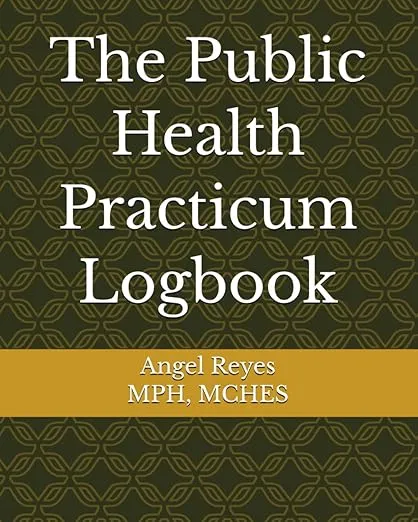
Stop Scrambling at the End of Your Practicum
The Public Health Practicum Logbook gives you the structure to track hours, map competencies, and build portfolio-ready evidence—all semester long.
Get Your Copy on AmazonFew things are more disheartening than discovering that the work you have been pouring hours into does not qualify as an acceptable practicum deliverable. This scenario plays out more often than programs would like to admit: a student diligently writes reflection journals, completes observation logs, or drafts internal memos, only to learn during their Integrative Learning Experience that these products cannot serve as the tangible deliverables their program requires.
Understanding why this happens—and how to avoid it—can save you weeks of frustration and help you maximize your practicum experience.
Why Reflection Papers Do Not Qualify
Most MPH programs require deliverables that demonstrate your ability to apply public health competencies in real-world settings. The key word is "demonstrate." Reflection papers, while valuable for personal learning and professional development, are primarily introspective exercises. They show what you thought about an experience rather than what you produced or accomplished.
Acceptable deliverables typically include items like program evaluation reports, health education materials, policy briefs, data analysis products, training curricula, or communication campaigns. These are tangible outputs that could theoretically be used by the organization even after you leave. They show mastery through creation, not just contemplation.
Common Traps Students Fall Into
The first trap involves confusing activity logs with deliverables. Tracking your hours and describing your daily tasks is important for documentation, but it does not constitute a product. Similarly, observation notes about organizational culture or workflow processes, while useful for your learning, lack the tangible application programs seek.
The second trap occurs when students produce work that is genuinely useful to their site but does not meet academic criteria. For example, you might create excellent meeting agendas, draft routine correspondence, or maintain databases. These tasks demonstrate competence in professional settings but may not translate into the substantial, standalone products your ILE committee expects. Understanding what your committee values requires navigating variable quality standards across faculty members who may emphasize different aspects of deliverable quality.
A third trap involves producing work that is too narrowly scoped. A single social media post or one-page flyer, even if professionally designed, may not demonstrate sufficient depth of competency application.
How to Protect Yourself Early
The most effective strategy is clarifying deliverable expectations during your first week. Request specific examples of accepted deliverables from previous students in your program. Ask your academic advisor to review your proposed deliverables before you invest significant time. Many programs have rubrics or checklists that define acceptable products—obtain these documents immediately.
When negotiating your scope of work with your site supervisor, explicitly discuss what you need to produce for academic purposes. Most supervisors want to support your educational goals and will help you identify projects that serve both organizational needs and program requirements. If you are uncertain about documentation standards at your site, reviewing guidance on unclear deliverable documentation standards can help you ask the right questions upfront.
Pivoting When You Discover the Problem Late
If you find yourself midway through your practicum with insufficient deliverables, do not panic. First, audit the work you have completed to identify anything that could be expanded or formalized into an acceptable product. That informal needs assessment you conducted could become a formal report. The training you delivered could be documented as a complete curriculum with facilitator guides.
Second, speak with your site supervisor about adding a project specifically designed to meet your academic requirements. Most organizations have initiatives they have wanted to pursue but lacked capacity to execute. Position yourself as someone who can take on that work.
Third, consult with your faculty advisor about creative solutions. Some programs allow students to develop products that the organization could use in the future, even if immediate implementation is not possible.
Reframing the Experience
While discovering that your work does not qualify as a deliverable is frustrating, the experience itself teaches valuable lessons. In professional practice, you will frequently navigate situations where different stakeholders have different expectations for the same project. Learning to clarify requirements upfront, document agreements, and advocate for your needs are competencies that will serve you throughout your career.
The reflection papers you wrote are not wasted. They document your learning journey and can inform your ILE narrative. The key is ensuring they supplement, rather than replace, your tangible deliverables. The same analytical depth you developed through reflection writing will strengthen your competency mapping sections when you connect your practicum products to specific CEPH requirements.
FAQ
Q: Can I combine multiple small deliverables into one larger product? A: In many cases, yes. If you created several related materials, such as a series of fact sheets, a set of training modules, or multiple data visualizations, you may be able to package them as a single comprehensive product with an overarching narrative. Check with your faculty advisor about whether bundled deliverables meet your program's requirements.
Q: What is the minimum scope for an acceptable practicum deliverable? A: While requirements vary by program, acceptable deliverables generally demonstrate sustained application of public health competencies over multiple weeks. A rule of thumb is that the product should require enough depth and complexity that a reasonable reviewer could assess your skills from examining it alone, without needing additional context about your daily activities.
Q: What if my practicum site does not have projects that align with acceptable deliverable types? A: Propose a project that serves the organization while meeting your academic needs. Many sites welcome students who identify gaps and suggest solutions. A community health assessment, program evaluation, or health communication plan can be developed at almost any public health organization. Frame your proposal in terms of organizational benefit so your preceptor sees value beyond your academic requirements.
Moving Forward
Before finalizing any practicum work plan, create a checklist of your program's deliverable requirements. Match each requirement to a specific product you plan to produce. Review this checklist monthly with both your site supervisor and faculty advisor. This proactive approach ensures your investment of time and energy yields products that satisfy all stakeholders.
Your practicum experience is too valuable to spend on work that will not count toward your degree. Clarify expectations early, advocate for appropriate projects, and keep your deliverables list visible throughout your experience.
Graduate School Success Video Series
Complement your learning with our free YouTube playlist covering essential strategies for thriving in your MPH program and beyond.
Watch the PlaylistFor more graduate school resources, visit Subthesis.com