TL;DR
Build buffer time into every deadline requiring signatures and make the signing process as easy as possible for busy professionals.
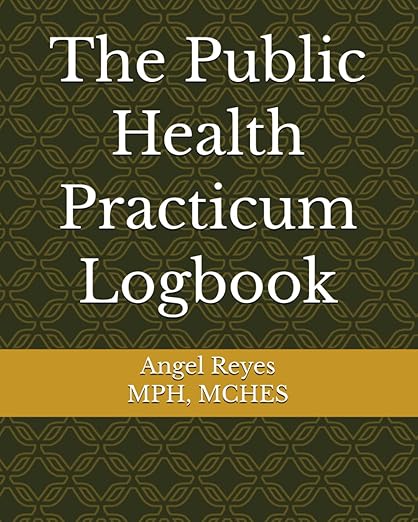
Stop Scrambling at the End of Your Practicum
The Public Health Practicum Logbook gives you the structure to track hours, map competencies, and build portfolio-ready evidence—all semester long.
Get Your Copy on AmazonYour learning contract is complete and perfect. There's just one problem: it needs signatures from your preceptor, your faculty advisor, and your program director before Friday's deadline. Your preceptor is traveling for a conference. Your faculty advisor is notoriously slow to respond to emails. And you've never actually met the program director. Welcome to the signature chase nightmare that plagues nearly every practicum student.
Why Signatures Create Such Headaches
The fundamental challenge is that your timeline and other people's priorities rarely align. Your preceptor has a full-time job beyond mentoring you. Your faculty advisor has dozens of other students. Program directors have administrative responsibilities that take precedence over individual student paperwork.
Add to this the complexity of different signing preferences. Some people want wet signatures on paper. Others accept electronic signatures. Some need time to review documents before signing. Others will sign immediately if you catch them at the right moment. Navigating these differences while racing against deadlines creates genuine stress.
Start Earlier Than You Think Necessary
The single most important signature chase strategy is starting earlier than seems reasonable. Whatever deadline you're facing, begin the signature process at least two weeks before, more if possible.
This buffer accounts for the reality that people don't respond immediately. Your first email might not get a reply for several days. Then there might be questions or revision requests. Then you're back in the queue for another signature. Each step takes longer than you expect.
When you start early, these delays become manageable. When you start the week of the deadline, they become crises.
Make Signing Effortless
Busy professionals are more likely to sign promptly when you make the process as easy as possible. Remove every possible barrier.
Prepare documents completely. Don't send documents with blanks to fill in or sections requiring the signer's input beyond their signature. Complete everything you can before sending.
Mark signature locations clearly. Use highlight, sticky notes, or digital signature fields to show exactly where signatures are needed. Never make signers hunt for the right spot.
Provide context in your request. Briefly explain what the document is, why their signature is needed, and when you need it. Don't assume they remember the requirements or timeline.
Offer multiple signing options. Ask about preferred methods. Can they sign digitally? Do they need a paper copy? Will they be in the office on a particular day for an in-person signature?
Include a deadline with reasoning. Be specific about when you need the signature and explain why. "I need this by Wednesday so I can submit before Friday's program deadline" provides more urgency than "please sign when you have a chance."
Managing the Multi-Signature Document
Documents requiring multiple signatures present a special challenge: the order matters, and each signer may have different timelines.
First, clarify the required order. Some documents must be signed sequentially (preceptor, then faculty advisor, then program director). Others can be signed in any order.
If signatures can be collected in parallel, create multiple copies and send to all signers simultaneously. Then combine into a final document.
If sequential signing is required, start with the signer who is hardest to reach or slowest to respond. Don't leave the most challenging signature for last when you have no buffer time remaining.
Communication Strategies That Work
Send a heads-up before the formal request. A brief message like "I'll be sending you my learning contract for signature next week" prepares the recipient and may prompt them to mention scheduling constraints.
Use the medium they prefer. Some people respond quickly to email. Others prefer a quick conversation or text message. Pay attention to how your signers communicate and match their preferences.
Follow up without being annoying. If you haven't received a response after a few days, a polite follow-up is appropriate. Reference your previous message and the deadline. Keep it brief and professional.
Express genuine appreciation. Acknowledge that signing documents takes time from busy schedules. A sincere thank you, both when requesting and after receiving signatures, builds goodwill for future requests.
When Things Go Wrong
Despite your best planning, sometimes signatures don't arrive on time. When you see a deadline approaching and a signature missing, communicate immediately with your program coordinator. Explain the situation, document your efforts to obtain the signature, and ask about options.
Most programs have some flexibility for circumstances beyond student control. What they don't have flexibility for is students who miss deadlines without communication.
Building Relationships for Easier Future Signatures
The signature chase becomes easier over time as you build relationships with the people who need to sign your documents. Your preceptor learns that your requests are organized and reasonable. Your faculty advisor knows you respect their time. These relationships pay dividends throughout your practicum.
Invest in these relationships before you need signatures, and the nightmare becomes much more manageable.
Graduate School Success Video Series
Complement your learning with our free YouTube playlist covering essential strategies for thriving in your MPH program and beyond.
Watch the PlaylistFor more graduate school resources, visit Subthesis.com