TL;DR
The pressure to be constantly available via email and messaging undermines work-life separation and requires intentional boundary-setting.
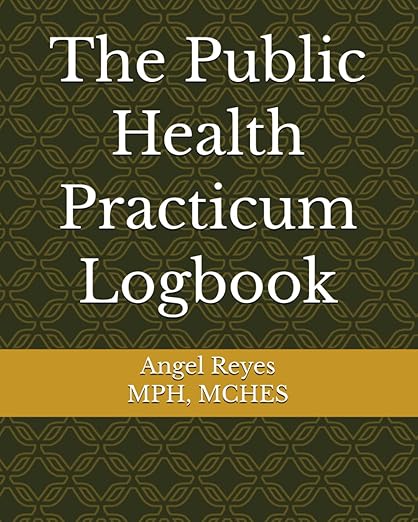
Stop Scrambling at the End of Your Practicum
The Public Health Practicum Logbook gives you the structure to track hours, map competencies, and build portfolio-ready evidence—all semester long.
Get Your Copy on AmazonThe notification appears on your phone at 10 PM. It's just a quick question from your preceptor, easily answerable. Before you realize what you're doing, you've already typed a response. But now you're thinking about work, and the mental space you carved out for your evening has evaporated. Sound familiar?
The Erosion of Work-Life Boundaries
Technology has made communication seamless, which sounds positive until you experience what seamless really means: no friction between work and personal life, no natural stopping points, no automatic separation between when you're "on" and when you're not.
Email and messaging apps keep you tethered to work around the clock. Each notification, regardless of when it arrives, creates a small tug toward work mode. Even if you don't respond immediately, you've now absorbed information that occupies mental space during your supposedly non-work hours.
Why Practicum Students Are Particularly Vulnerable
Students in practicum experience heightened pressure to be responsive. You want to make a good impression. You worry that slow responses signal lack of commitment. You're uncertain about norms and err on the side of over-availability. And unlike permanent employees who've established their value over time, you feel your reputation is still being formed with every interaction.
This pressure interacts with the general uncertainty of being new. You don't know if that evening email expects an immediate response or can wait until tomorrow. Without clear expectations, you assume the most demanding interpretation to be safe.
The Costs of Always Being Available
Constant availability sounds like dedication, but it comes with significant costs. Without separation between work and rest, you never fully recover. Your stress response remains partially activated because you're always potentially about to receive something requiring attention.
This creates a paradox: being always available makes you less effective during actual work hours because you're never fully restored. The extra responsiveness you provide during evenings and weekends gets subtracted from your capacity during the day.
Beyond effectiveness, constant availability damages your relationships, hobbies, sleep, and sense of self as someone who exists outside of work. Everything that makes life meaningful gets squeezed into the shrinking spaces between notifications.
Understanding Actual Versus Perceived Expectations
Before assuming you must be constantly available, examine whether this expectation is real or assumed. Many students project their own anxieties onto their preceptors, imagining demands for immediate response that were never communicated.
Ask your preceptor directly about communication expectations. What response time is reasonable for emails? Are there hours when you shouldn't expect responses? Is there a system for genuinely urgent matters versus routine communication? You may discover that the constant availability you've maintained isn't actually expected.
Strategies for Boundary Setting
Several practical approaches can help restore separation between work and non-work time.
Remove work email and messaging apps from your personal phone, or at minimum turn off notifications during defined non-work hours. If you can't see the notification, you can't be tempted to respond to it.
Establish a "closing time" routine that signals the end of the workday. This might involve a final email check at a specific time, followed by closing all work applications. Creating ritual around the transition helps your brain shift modes.
Use scheduled sending for non-urgent emails you write during off hours. If you choose to draft responses in the evening, schedule them to send during normal business hours. This prevents creating expectation that you're available for extended exchanges outside work time.
Communicate your boundaries clearly but professionally. Something like "I typically check email between 8 AM and 6 PM and will respond to messages received outside these hours the next business day" sets expectations without being defensive.
When Boundaries Feel Scary
Setting boundaries often feels risky, especially when you're in a position with less power. You may worry that your preceptor will think you're not committed or that you'll miss something important.
These fears are understandable but usually exaggerated. Most preceptors respect students who manage their time effectively. The ability to set appropriate boundaries is itself a professional skill that demonstrates maturity.
If you're worried about specific situations, plan for them explicitly. Ensure there's a mechanism for genuinely urgent matters to reach you while filtering out routine communication that can wait. This allows you to be responsive to real emergencies without being constantly on alert for non-emergencies.
Modeling Healthy Practices for Your Future
The boundaries you set now establish patterns you'll carry into your career. If you learn during practicum that being constantly available is necessary for success, you'll likely continue that pattern as a professional, leading to decades of blurred work-life boundaries.
Conversely, if you learn that setting reasonable boundaries is possible and even respected, you'll enter your career with skills for sustainable work. You'll be better positioned to protect your wellbeing over the long term.
The Courage Required
Setting boundaries requires a form of courage, willingness to risk disapproval in service of your wellbeing. This courage gets easier with practice. Each time you maintain a boundary and the sky doesn't fall, you build confidence that boundaries are survivable.
Your time outside work is not a holding pattern between work periods. It's your actual life, where your relationships, health, hobbies, and rest exist. Protecting this time isn't selfish; it's essential. The always-on culture will take everything you allow it to take. The only way to maintain separation is to actively create and defend it.
Graduate School Success Video Series
Complement your learning with our free YouTube playlist covering essential strategies for thriving in your MPH program and beyond.
Watch the PlaylistFor more graduate school resources, visit Subthesis.com