TL;DR
Misaligned practicums develop transferable skills, reveal unexpected interests, and demonstrate adaptability—reframing the experience helps extract maximum value while you continue pursuing your actual career goals.
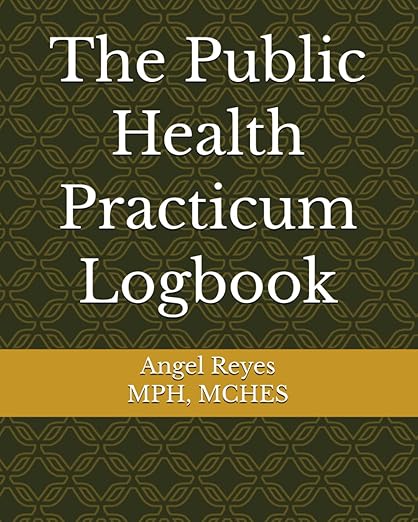
Stop Scrambling at the End of Your Practicum
The Public Health Practicum Logbook gives you the structure to track hours, map competencies, and build portfolio-ready evidence—all semester long.
Get Your Copy on AmazonYou envisioned designing health communication campaigns for underserved communities. Instead, your practicum involves data entry for a hospital quality improvement department. The disconnect between your career aspirations and daily reality creates frustration. Are you wasting precious time that could prepare you for your actual goals?
This concern affects many students whose practicum placements diverge from their professional visions. Understanding how to extract value from seemingly misaligned experiences can transform frustration into opportunity.
Why Misalignment Happens
Practicum availability rarely matches student preferences perfectly. Geographic constraints limit options. Timing misaligns with organizational needs. Competition for popular placements excludes many qualified students. Budget limitations reduce paid opportunities in desired fields. These structural factors mean students often accept placements that differ from ideal scenarios.
Sometimes the mismatch reflects incomplete self-knowledge. Students early in their careers may hold narrow visions of what public health work looks like. Exposure to different areas—even when initially unwelcome—can reveal interests and aptitudes previously unrecognized.
Program requirements also shape placement possibilities. Specific hour minimums, competency requirements, or scheduling constraints may eliminate options that would otherwise align with career goals. Accepting available placements that meet requirements becomes necessary even when not preferred.
Finding Transferable Value
Nearly every public health activity develops skills applicable across the field. Data management skills transfer whether you analyze hospital metrics or community survey results. Communication abilities built presenting to clinical staff serve you equally when addressing community groups. Project management, stakeholder engagement, professional writing—these capacities transcend specific content areas.
Examine your practicum activities through a transferable skills lens. Instead of focusing on what you are not learning, inventory what you are developing. That unwanted database work builds technical proficiency. Those mandatory meetings develop professional presence. The frustrating bureaucratic processes teach organizational navigation.
Document these transferable skills explicitly. When describing your practicum for applications or interviews, emphasize capabilities rather than content. Employers care about what you can do, which often matters more than the specific context where you learned it.
Mining Unexpected Opportunities
Within any placement, look for projects that edge toward your interests. If you want health communication experience but work in data analysis, offer to help create data visualizations for reports or develop summaries for non-technical audiences. These adjacent activities build relevant skills within your existing placement.
Network beyond your immediate supervisor. Large organizations contain multiple departments; smaller ones connect to partner agencies. Someone in the building—or the network—works in your area of interest. Informational conversations, cross-departmental meetings, or collaborative projects can connect you with your actual field even when your formal placement sits elsewhere.
Attend trainings and events beyond your required activities. If your organization offers webinars on topics aligned with your goals, participate. These learning opportunities exist independently of your project assignments and can supplement skill development in your desired direction.
Maintaining Career Focus Alongside Practicum
Continue professional development in your target area outside practicum hours. Join relevant professional associations. Attend webinars and conferences. Complete online courses that build specific skills. These activities maintain connection to your goals while you fulfill practicum requirements elsewhere.
Stay engaged with professionals in your desired field through informational interviews and networking. These relationships matter more for career advancement than your practicum placement. A student passionate about maternal health who maintains connections in that field while completing an unrelated practicum often has better career outcomes than one who abandons networking while waiting for perfect alignment.
Use this time to deepen theoretical knowledge in your area of interest. Read foundational texts, follow key researchers, understand current debates. When opportunities in your field arise, you will be prepared to contribute meaningfully despite limited direct experience.
Reframing the Experience
Consider what your misaligned practicum teaches about professional flexibility. Public health careers rarely proceed in straight lines. Funding shifts redirect programs. Organizational changes alter roles. Economic conditions eliminate positions in some areas while creating opportunities in others. Your ability to find value in unexpected circumstances demonstrates adaptability that employers prize.
This experience also provides contrast that clarifies your actual interests. Students who only work in areas they initially preferred sometimes fail to develop clear professional identity. Experiencing what you do not want to do long-term sharpens understanding of what you do want. This clarity serves you when making future career decisions.
Honest Reflection and Strategic Choices
If your practicum truly provides minimal professional value, address this constructively. Discuss with your faculty advisor whether supplementary experiences might be possible. Some programs allow additional volunteer work, independent projects, or portfolio development that complement limited practicums.
For future positions, learn from this experience. What questions should you have asked during placement discussions? What warning signs might you have recognized earlier? This reflection informs more strategic career choices going forward.
Complete your practicum professionally regardless of dissatisfaction. Organizations remember students who engaged fully despite imperfect circumstances. Supervisors who may not help your current goals can still provide references for future opportunities. Your reputation for professionalism transcends any single placement.
Looking Beyond the Practicum
Remember that practicums represent single experiences within lengthy careers. Students who completed seemingly irrelevant practicums regularly achieve career goals through subsequent positions, graduate work, or alternative pathways. Your practicum matters, but it does not determine your professional future.
The skills, connections, and insights you gather from any placement contribute to your overall professional development. Trust that even frustrating experiences build capacities that serve you eventually, even when the connection remains unclear in the moment.
Graduate School Success Video Series
Complement your learning with our free YouTube playlist covering essential strategies for thriving in your MPH program and beyond.
Watch the PlaylistFor more graduate school resources, visit Subthesis.com