TL;DR
Explicit early conversations about mutual expectations prevent misunderstandings—don't assume you and your preceptor share the same vision for your practicum experience.
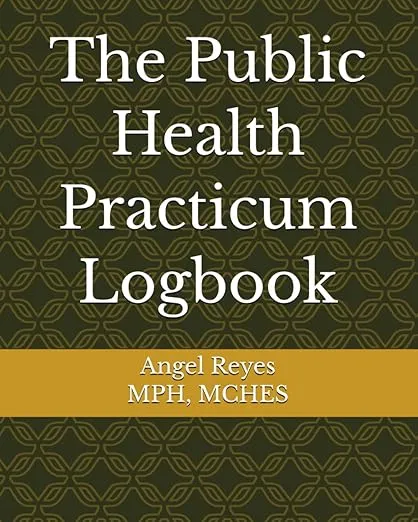
Stop Scrambling at the End of Your Practicum
The Public Health Practicum Logbook gives you the structure to track hours, map competencies, and build portfolio-ready evidence—all semester long.
Get Your Copy on AmazonYou arrive at your practicum excited to conduct community health assessments. Your preceptor expects you to update Excel spreadsheets. You anticipated mentorship meetings; they assumed you'd work independently. You thought you'd attend community events; they planned office-based work. The disconnect is jarring, and neither party anticipated it.
Mismatched expectations between students and preceptors are remarkably common, largely because both parties make assumptions without verification. Students assume based on job descriptions, program materials, or their own hopes. Preceptors assume based on previous students, organizational needs, or their own priorities. These unspoken assumptions create friction when they inevitably conflict.
Why Mismatches Happen
Several factors contribute to expectation gaps. Students often have idealized visions of practicum experiences based on coursework, career goals, or romanticized notions of public health practice. The reality of organizational work—administrative tasks, slow progress, bureaucratic constraints—doesn't always match these visions.
Preceptors may not fully understand academic requirements. They know their organization needs certain work done, but they might not realize students have specific competency requirements or learning objectives. They may also underestimate student capabilities, giving simple tasks when students want challenge, or overestimate them, expecting expertise students don't yet have.
Communication before practicum start is often limited. A brief interview or email exchange can't fully convey what months of work will actually involve. Both parties fill in gaps with assumptions.
The Day One Conversation
The single most important thing you can do to prevent mismatch problems is having an explicit expectations conversation as early as possible—ideally day one.
Don't wait for your preceptor to initiate this conversation. They may assume you already understand expectations, or they may be too busy to think about formally orienting you. Take the initiative yourself.
Come prepared with specific questions. What work will I be doing? How will my time typically be spent? What should I prioritize when demands compete? What does success look like from your perspective? How will you provide feedback and supervision?
Also share your own expectations. These are the competencies I need to demonstrate. These are my learning goals. This is how I hope to contribute. This is the kind of supervision that helps me succeed. The conversation should go both ways.
Identifying Gaps Early
During your expectations conversation, listen for misalignments. If your preceptor describes work that seems disconnected from your learning goals, ask about alternatives. If they expect independence when you need guidance, express that need. If their timeline differs from yours, clarify.
Some gaps are negotiable; others are fundamental. A preceptor who expects primarily administrative support won't become a mentor overnight. An organization facing a crisis may not have capacity for the learning experiences you hoped for. Identifying fundamental gaps early gives you options—perhaps adjusting your expectations, perhaps finding a different placement.
Write down what you agree to. Email your preceptor a summary of the expectations conversation and ask them to confirm or correct your understanding. This documentation prevents later disputes about what was promised. The same documentation discipline that helps with tracking practicum paperwork applies here—putting agreements in writing protects everyone.
Renegotiating When Needed
Initial expectations often need adjustment as practicums unfold. Organizational priorities shift. Your interests evolve. What seemed important initially becomes less relevant. Renegotiation is normal and healthy.
Approach renegotiation conversations collaboratively. "Based on what I've learned, I'd like to propose adjusting our focus" works better than "This isn't what I expected." Focus on going forward productively rather than litigating what was originally agreed.
Be willing to give to get. If you want more community engagement, offer to complete the administrative work efficiently to free up time. If you want more supervision, propose formats that minimize your preceptor's time investment. Successful renegotiation requires compromise.
Managing Ongoing Alignment
Expectation alignment isn't a one-time conversation—it requires ongoing attention. Regular check-ins should include explicit discussion of whether expectations are being met on both sides.
Ask your preceptor directly: "Am I meeting your expectations? Is there anything you'd like me to do differently?" This invitation for feedback surfaces issues before they become serious problems. It also demonstrates professionalism and commitment to improvement. If your preceptor is frequently unavailable for these conversations, propose asynchronous alternatives like email check-ins that fit their schedule.
Similarly, express when your expectations aren't being met, but constructively. "I'm finding it hard to make progress on community engagement, which was one of my learning goals. Can we discuss how to create more opportunities?" This addresses the gap while inviting collaborative problem-solving.
When Gaps Remain Unbridgeable
Sometimes expectation gaps cannot be resolved. Your preceptor genuinely needs administrative support, and no amount of conversation will create the field experiences you wanted. The organization's work simply doesn't align with your concentration competencies.
In these cases, you have limited options. You can adjust your own expectations to find value in the experience as it is. You can seek supplementary experiences outside your practicum to meet needs the placement doesn't address. Or, in extreme cases, you can work with your academic program to change placements. The challenge of navigating difficult conversations about problems is a professional skill that serves you well beyond your practicum.
None of these options is ideal, but all are better than ongoing frustration with unbridgeable gaps. Recognizing what can't change allows you to redirect energy toward what can.
FAQ
Q: What if my preceptor agreed to certain experiences during the interview but hasn't followed through? A: Reference the original conversation directly but without accusation. Try: "When we discussed this placement, we talked about opportunities for community outreach. I'd love to explore how we might incorporate that. Is that still possible?" If the answer is no, ask what changed and discuss alternatives. Document the conversation for your records.
Q: How do I handle being assigned work that feels beneath my skill level? A: Complete the assigned work well and efficiently, then ask for additional responsibilities. Demonstrate competence before requesting complexity. If the pattern persists, have a conversation about your capacity: "I've been completing these tasks ahead of schedule. Could I take on something more challenging in addition?"
Q: Should I involve my faculty advisor in expectation mismatches with my preceptor? A: If you've attempted to resolve the mismatch directly with your preceptor without success, involving your faculty advisor is appropriate. They can mediate, provide perspective, and help determine whether the mismatch is resolvable or requires a more significant intervention. Don't wait until the end of the semester to seek this support.
The key lesson is that expectation alignment requires explicit conversation. Assumptions create mismatches. Only through direct communication—initiated early, maintained throughout, and documented carefully—can students and preceptors build genuinely shared visions for the practicum experience.
Graduate School Success Video Series
Complement your learning with our free YouTube playlist covering essential strategies for thriving in your MPH program and beyond.
Watch the PlaylistFor more graduate school resources, visit Subthesis.com