TL;DR
Front-load hours when possible, track time meticulously, and communicate early if you're falling behind your required practicum hours.
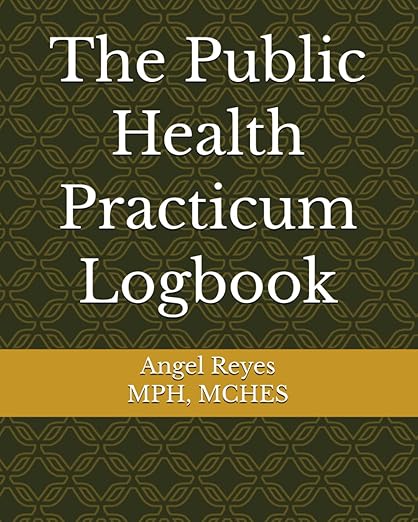
Stop Scrambling at the End of Your Practicum
The Public Health Practicum Logbook gives you the structure to track hours, map competencies, and build portfolio-ready evidence—all semester long.
Get Your Copy on AmazonIt is week twelve of a fifteen-week semester, and the math is becoming alarming. Your program requires 200 practicum hours. You have logged 95. To meet the minimum, you need to average 35 hours per week during the final three weeks while also completing course finals. The minimum hours scramble has begun.
This scenario plays out for students every semester. Hour requirements that seemed manageable in August become crises in December. Understanding why this happens and how to prevent it saves significant stress and protects your academic standing.
Why Students Fall Behind
The math seems straightforward: 200 hours over 15 weeks averages to about 13 hours per week. But real life complicates simple calculations. The first few weeks involve orientation and ramp-up rather than full productivity. Illness, travel, and emergencies consume time. Course demands ebb and flow unpredictably.
Practicum sites have their own rhythms. Some weeks offer plentiful meaningful work while others are slow. If you can only log hours when substantive tasks exist, you cannot control your pace perfectly. Holidays reduce available workdays. Site closures for staff meetings, retreats, or events further limit access.
Students often underestimate how quickly time passes. A missed week feels minor until you calculate its impact on your remaining schedule. The compounding effect of small deficits creates the end-of-semester crisis that seemed impossible earlier.
Preventing the Scramble
The most effective strategy is starting strong. Front-load hours in the early weeks of the semester when course demands are typically lighter. Building a buffer protects you when unexpected circumstances arise later.
Calculate your required pace and track it weekly. Know how many hours you should have completed by each week's end to stay on track for your final requirement. When you fall behind, you know immediately rather than discovering a crisis later.
Create a detailed schedule at the semester's start. Block specific days and times for practicum work. Treat these blocks as seriously as you would class meetings. Flexible intentions to "fit in hours when possible" often fail.
Communicate with your preceptor about your hour requirements and timeline. Some supervisors do not realize students are working toward specific hour goals. When they understand your needs, they may identify additional tasks or approve work you could complete independently.
When You're Already Behind
If you recognize a growing deficit, address it immediately rather than hoping things improve. Calculate exactly how many hours you need and how many weeks remain. Assess whether the required pace is achievable given your other obligations.
Talk with your preceptor about increasing your hours. Are there additional projects you could take on? Can you work longer days or additional days per week? Would remote work allow you to log hours that site constraints currently prevent?
Contact your academic program early if requirements seem impossible to meet. Faculty coordinators have seen many students face this challenge. They may be able to offer extensions, adjust requirements, or identify solutions you had not considered. They cannot help if they do not know you are struggling.
Examine your other commitments for flexibility. Can you reduce work hours temporarily? Can family or friends provide support that frees up time? Are there course obligations where professors might offer extensions or alternative arrangements?
Maximizing Hour Productivity
Make every hour count. Arrive prepared to work immediately rather than spending site time figuring out what to do. Keep a running list of tasks so you always know what comes next. Minimize time spent on activities that do not count toward your hours.
Clarify what counts. Programs have different policies about travel time, remote work, professional development activities, and related tasks. Knowing exactly what qualifies for hours ensures you do not miss legitimate counting opportunities or inappropriately count activities that do not qualify.
Batch similar activities when possible. Completing all your data entry in one focused session is often more efficient than spreading it across multiple days. Concentrated work blocks tend to be more productive than fragmented time.
Document hours in real time rather than reconstructing from memory later. Accurate time tracking prevents both under-counting your legitimate hours and the ethical issues of over-reporting. A detailed log also protects you if questions arise about your documented hours.
Learning from the Experience
Whatever the outcome of your current semester, extract lessons for the future. If you successfully managed your hours, identify what strategies worked. If you scrambled or fell short, analyze what went wrong and how you would approach it differently.
Time management under competing demands remains relevant throughout your career. Public health professionals juggle multiple projects with deadlines, reporting requirements, and obligations that exceed available time. The skills you build managing practicum hours transfer directly to professional time management.
Maintaining Perspective
Hour requirements exist for good reason. They ensure students gain sufficient experience to develop competency. Meeting minimum hours is not arbitrary compliance but investment in your professional preparation.
However, the quality of your hours matters more than the quantity. Two hundred hours of meaningful work contributes more to your development than two hundred hours of busy work. Whenever possible, advocate for substantive tasks even while meeting hour requirements.
The hours scramble is stressful but survivable. Many students have navigated this challenge successfully. With honest assessment, proactive communication, and strategic effort, you can meet your requirements while maintaining your wellbeing and the quality of your learning experience.
Graduate School Success Video Series
Complement your learning with our free YouTube playlist covering essential strategies for thriving in your MPH program and beyond.
Watch the PlaylistFor more graduate school resources, visit Subthesis.com