TL;DR
Data science and AI skills are increasingly expected in public health roles, but most MPH curricula haven't yet incorporated this training.
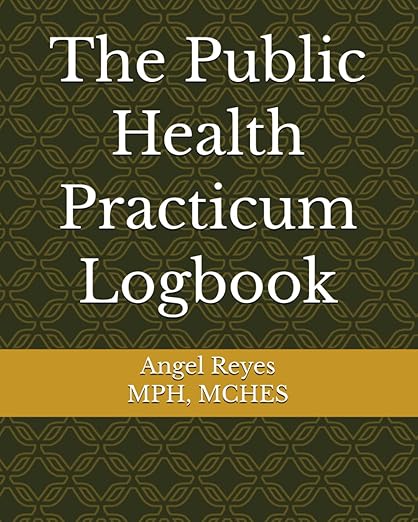
Stop Scrambling at the End of Your Practicum
The Public Health Practicum Logbook gives you the structure to track hours, map competencies, and build portfolio-ready evidence—all semester long.
Get Your Copy on AmazonYou're reviewing practicum opportunities and notice something concerning: multiple positions mention Python, machine learning experience, or AI applications. Your biostatistics courses covered regression and survival analysis in SAS, but you've never written a line of Python. The gap between what your program taught and what employers seem to want feels increasingly significant.
The Shifting Technical Landscape
Public health data science is evolving rapidly. Traditional statistical approaches remain important, but organizations increasingly incorporate machine learning for prediction, natural language processing for analyzing text data, and automation for routine tasks. Health departments use predictive models for disease surveillance. Research institutions apply deep learning to medical imaging. Health systems deploy AI for clinical decision support.
This shift has happened faster than most MPH curricula have adapted. Programs appropriately maintain focus on foundational biostatistics and epidemiology, but students often graduate without exposure to the programming languages and computational approaches that job postings increasingly request.
Why This Gap Matters in Practicum
Practicum placements may assume or desire data science skills that your coursework didn't develop. You might find yourself at a site that uses R or Python for all analysis while you only know SAS. Your project might involve predictive modeling approaches you've never encountered. Team members may reference concepts like cross-validation, feature engineering, or model deployment that sound completely foreign.
Even if your specific practicum doesn't require these skills, seeing colleagues and peers using them can trigger anxiety about career readiness. The field seems to be moving in a direction your training didn't prepare you for.
Understanding What Employers Actually Need
Before panicking about skills you don't have, understand what employers actually need versus what they aspirationally list in job postings.
Many positions that mention machine learning really need someone who understands when these approaches are appropriate and can communicate with technical specialists. They don't necessarily need you to build models from scratch. Statistical literacy and ability to interpret results matter more than coding ability for many public health roles.
That said, some positions genuinely require programming skills and machine learning competency. These roles typically appear in larger health departments, research institutions, tech-adjacent health companies, and organizations with dedicated data science teams. Understanding which career paths require which skills helps you prioritize learning strategically.
Practical Approaches to Skill Building
If you determine that data science skills are important for your career goals, several approaches can help bridge the gap during or after practicum.
Start with fundamentals rather than jumping to advanced techniques. Learning basic Python or R programming provides foundation for everything that follows. Free resources like DataCamp, Codecademy, or Coursera's Python for Everybody make this accessible.
Focus on public health applications rather than generic data science content. Coursework designed for business analytics may teach techniques irrelevant to health data while skipping approaches you'll actually use. Look for resources specifically addressing health data science.
Build skills through application. Rather than working through tutorials in isolation, find a real problem, perhaps an extension of your practicum project, and learn what you need to solve it. Applied learning sticks better than abstract study.
Consider whether formal training makes sense. Some universities offer data science certificates or bootcamps that provide structured learning. These represent significant time and sometimes money investments but may accelerate learning compared to self-study.
Managing Practicum Expectations
If your practicum site expects skills you don't have, address this directly rather than hoping to fake your way through.
Have an honest conversation with your preceptor about your current capabilities and what support or learning time you might need. Many supervisors appreciate transparency and can adjust expectations or provide resources.
Propose alternatives that accomplish similar goals with your existing skills. If the site wanted analysis in Python but you know SAS, see if delivering results in SAS meets their actual needs. The specific tool often matters less than the quality of analysis.
Keeping Perspective
The pace of technological change in public health creates genuine anxiety about skill obsolescence. But remember that public health fundamentals, understanding populations, designing interventions, interpreting evidence, communicating with stakeholders, remain valuable regardless of what programming language is trendy.
Data science skills are increasingly important, but they complement rather than replace core public health competencies. Your epidemiology training, your understanding of social determinants, your health communication skills all remain essential even as the technical toolkit evolves.
View machine learning and AI skills as valuable additions to your toolkit rather than prerequisites for career success. Some public health careers will require them. Many will not. Understanding where your interests and career goals fall on this spectrum helps you invest learning time wisely.
Graduate School Success Video Series
Complement your learning with our free YouTube playlist covering essential strategies for thriving in your MPH program and beyond.
Watch the PlaylistFor more graduate school resources, visit Subthesis.com