TL;DR
Imposter syndrome is common among practicum students, but recognizing it as a normal response to growth—not evidence of inadequacy—helps you push through and claim your place in public health.
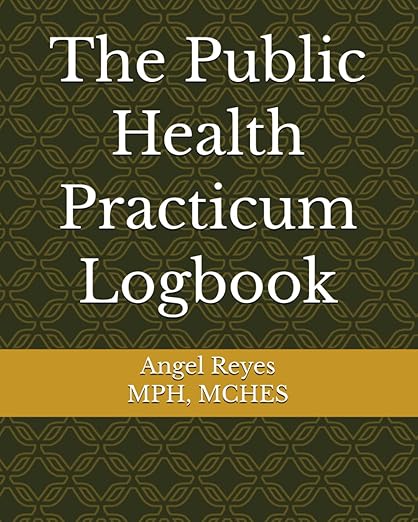
Stop Scrambling at the End of Your Practicum
The Public Health Practicum Logbook gives you the structure to track hours, map competencies, and build portfolio-ready evidence—all semester long.
Get Your Copy on AmazonYou walk into the health department for your first practicum meeting, and everyone seems to know exactly what they're doing. They use acronyms you've never heard. They reference projects and policies you know nothing about. You smile and nod, but inside you're convinced you don't belong here. Surely someone will notice you're not qualified. It's only a matter of time before they realize they made a mistake accepting you.
This experience has a name: imposter syndrome. And if you're feeling it during your practicum, you're far from alone. Research consistently shows that imposter syndrome is particularly prevalent among graduate students, especially those entering professional settings for the first time.
Understanding What's Really Happening
Imposter syndrome isn't about actual incompetence—it's about the disconnect between your internal experience and external evidence. You might have excellent grades, strong recommendations, and demonstrated skills, yet still feel like you somehow fooled everyone into thinking you're capable.
This disconnect happens because you have full access to your own doubts, struggles, and knowledge gaps, but you only see the polished exterior of those around you. Your colleagues don't broadcast their uncertainties. Your preceptor doesn't announce the things they don't know. You're comparing your behind-the-scenes footage to everyone else's highlight reel.
The practicum environment intensifies these feelings because you're genuinely new. You don't know the organizational culture, the specific projects, or the relationships between people. This legitimate newness gets conflated with inadequacy. Being unfamiliar with a specific workplace isn't the same as being unqualified for public health work—but imposter syndrome doesn't make that distinction.
Why Public Health Students Are Particularly Vulnerable
Public health attracts people who care deeply about doing meaningful work. This investment raises the stakes: if this work matters, then failing at it feels catastrophic. Caring intensifies self-scrutiny.
Additionally, public health is genuinely interdisciplinary. In any room, someone will know more than you about epidemiology, or policy, or community engagement, or data analysis. Imposter syndrome interprets these normal knowledge variations as evidence of your inadequacy rather than as the natural result of working in a broad field where no one knows everything.
Many practicum students also come from underrepresented backgrounds in their organizations. If you're the youngest person in meetings, the only student, or one of few people from your demographic group, you may feel additional pressure to prove you belong. These dynamics are real, and they compound imposter feelings.
Strategies for Working Through It
Recognizing imposter syndrome is the first step. When you catch yourself thinking "I don't belong here" or "They'll figure out I'm not qualified," label it: "This is imposter syndrome talking, not reality."
Collect evidence against the imposter narrative. Keep a file of positive feedback, completed projects, and moments when you contributed meaningfully. When imposter thoughts arise, review this evidence. Your feelings aren't reliable data—but your accomplishments are.
Talk to trusted peers or mentors about your experience. You'll likely discover they've felt the same way. Imposter syndrome thrives in isolation; naming it in community reduces its power. Your cohort probably includes others who feel like frauds despite being highly competent.
Reframe your newness as an asset rather than a liability. Fresh perspectives catch things that institutional familiarity misses. Questions from newcomers often surface assumptions that need examining. You're not just lacking experience—you're bringing a valuable outsider viewpoint.
Set realistic expectations for yourself. You're a student in a learning role. No one expects you to arrive fully formed. The entire point of a practicum is development. Needing to learn isn't evidence of inadequacy—it's the reason the experience exists.
When to Seek Additional Support
Normal imposter syndrome feels uncomfortable but doesn't prevent you from functioning. If your feelings of fraudulence become so intense that you're avoiding work, missing deadlines, or experiencing significant anxiety or depression, consider seeking support from a counselor or therapist.
Some students benefit from cognitive behavioral approaches that directly address thought patterns. Others find that understanding the systemic factors contributing to their feelings—such as discrimination or lack of representation—helps them externalize what imposter syndrome wants to make internal.
Your program likely offers counseling services or can provide referrals. Using these resources isn't weakness—it's strategic self-care that supports your professional development.
Claiming Your Place
You earned your spot in your program through demonstrated capability. You were accepted into your practicum site because someone believed you could contribute. These decisions weren't accidents or oversights—they were professional judgments made by people with expertise in evaluating candidates.
Imposter syndrome will tell you those judgments were wrong. It will insist that your acceptance was a fluke, that your qualifications are insufficient, that you're fooling everyone. But imposter syndrome is not a reliable narrator.
You belong in public health. You belong in your practicum. The discomfort you feel is the normal experience of growth and challenge, not evidence of fraudulence. Keep showing up, keep contributing, and let your work speak louder than your doubts.
Graduate School Success Video Series
Complement your learning with our free YouTube playlist covering essential strategies for thriving in your MPH program and beyond.
Watch the PlaylistFor more graduate school resources, visit Subthesis.com