TL;DR
Uniformly positive evaluations feel good but provide little developmental value; actively seek specific, constructive feedback to maximize your growth.
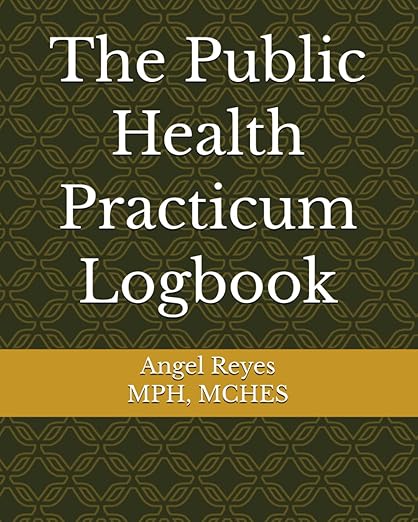
Stop Scrambling at the End of Your Practicum
The Public Health Practicum Logbook gives you the structure to track hours, map competencies, and build portfolio-ready evidence—all semester long.
Get Your Copy on AmazonYour practicum evaluation arrives and every box is checked "exceeds expectations." Every comment is glowing. You should feel proud, but something nags at you. You know your performance was not perfect. You struggled with certain tasks, missed some deadlines, and had a learning curve with unfamiliar software. The evaluation does not reflect any of this. It is uniformly positive in a way that does not match your actual experience.
Receiving only positive feedback is a surprisingly common complaint among practicum students. While criticism can sting, students recognize that honest evaluation supports their growth. Uniformly positive assessments, though pleasant, leave them uncertain about where they genuinely excel and where they need development.
Why Preceptors Avoid Critical Feedback
Understanding why preceptors give only positive evaluations helps depersonalize the experience and address it strategically. Many preceptors worry about hurting students' feelings or damaging their academic standing. They may not know how evaluations factor into grades or academic progress.
Some preceptors lack training in giving constructive feedback. They may have never learned how to balance affirmation with developmental input. Others have had negative experiences giving honest feedback in the past and now avoid it entirely.
Time pressure plays a role. Thoughtful evaluation requires reflection and careful wording. When preceptors are rushed, defaulting to positive generalizations is faster than crafting specific, balanced feedback. The evaluation becomes a task to complete rather than a developmental opportunity.
Cultural factors matter too. Some organizational and professional cultures discourage direct criticism. Your preceptor may come from a background where the expectation is that students figure things out themselves, or where explicit negative feedback would be considered harsh.
Creating Conditions for Honest Feedback
If you want meaningful evaluation, you must often create the conditions for it. Start early in your practicum by explicitly requesting constructive feedback. Tell your preceptor that you want to improve and that honest input helps you develop. This framing gives them permission to be direct.
Ask specific questions that are hard to answer with generic positivity. "What is one thing I could do better in my next data analysis?" requires a more substantive response than "How am I doing?" Target your questions to specific projects, skills, or situations.
Request feedback on works in progress rather than just completed products. Asking for input on a draft gives your preceptor an opportunity to suggest improvements while there is still time to implement them. It also normalizes developmental feedback as part of your ongoing work together.
Demonstrate that you can receive feedback gracefully. When your preceptor does offer constructive input, respond with gratitude and follow through on implementing suggestions. This positive reinforcement makes them more likely to offer honest feedback in the future.
During Evaluation Conversations
If your preceptor is completing a formal evaluation, ask to discuss it together rather than just receiving the written document. Conversation allows you to probe beneath surface-level comments and ask follow-up questions.
Share your own self-assessment first. Describe what you think went well and where you see room for improvement. This vulnerability invites your preceptor to engage with your self-identified growth areas and may prompt them to share observations they would not have volunteered otherwise.
Ask directly about areas for development. "What advice would you give me as I move into my career?" or "If I were applying for a job on your team, what skills would you want me to strengthen?" These questions frame feedback as helpful guidance rather than criticism.
Supplementing Preceptor Feedback
When your preceptor's evaluations remain unhelpfully positive despite your efforts, seek feedback from other sources. Colleagues at your practicum site may be willing to share observations. Faculty advisors can provide perspective on your competency development. Peer feedback from classmates offers another viewpoint.
Self-evaluation becomes more important when external feedback is limited. Reflect critically on your own work. Where did you struggle? What would you do differently? What skills do you need to develop further? Your honest self-assessment partially compensates for feedback you are not receiving from others.
Document specific examples of your work, including challenges and how you addressed them. This record supports your own reflection and provides material for future professional development conversations.
The Value of Honest Feedback
Genuinely positive evaluation earned through strong performance feels different from empty praise. When you do receive specific, positive feedback that aligns with your self-assessment, you can trust it. This builds confidence grounded in reality rather than uncertainty masked by vague positivity.
Critical feedback, while uncomfortable, accelerates development. Knowing exactly what to work on focuses your improvement efforts. Specific suggestions for growth become action items rather than vague aspirations.
Advocating for honest evaluation demonstrates professional maturity. Employers value self-awareness and growth orientation. Your willingness to seek genuine feedback, even when it might be uncomfortable, sets you apart from peers who prefer comfortable illusions.
Throughout your career, you will encounter supervisors with varying feedback styles. Learning now to elicit the honest evaluation you need, regardless of what others naturally provide, serves you for decades to come.
Graduate School Success Video Series
Complement your learning with our free YouTube playlist covering essential strategies for thriving in your MPH program and beyond.
Watch the PlaylistFor more graduate school resources, visit Subthesis.com