TL;DR
Government funding uncertainty is real, but building diverse skills and networks creates career resilience regardless of political climates.
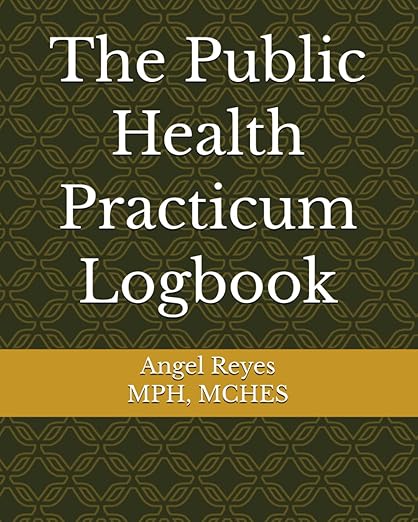
Stop Scrambling at the End of Your Practicum
The Public Health Practicum Logbook gives you the structure to track hours, map competencies, and build portfolio-ready evidence—all semester long.
Get Your Copy on AmazonIf you have been following public health news, you have likely seen headlines about budget cuts, program eliminations, and workforce reductions at health departments and federal agencies. For students preparing to enter the public health workforce, this news can feel deeply unsettling. You are investing significant time, energy, and often substantial debt into a career path that suddenly seems precarious.
This anxiety is valid. Public health funding does fluctuate with political cycles, economic conditions, and competing priorities. However, catastrophizing about the job market serves neither your mental health nor your career planning. Let me offer a more nuanced perspective and practical strategies for building resilience.
Understanding the Funding Landscape
Public health funding comes from multiple sources including federal grants, state allocations, local budgets, private foundations, healthcare systems, and nonprofit organizations. While government funding represents a significant portion, it is not the entire picture. When one funding stream contracts, others often expand to address ongoing community health needs.
Additionally, certain public health functions are legally mandated regardless of political climate. Disease surveillance, vital records, environmental health inspections, and emergency preparedness represent core functions that persist through budget fluctuations. The question becomes less about whether public health jobs exist and more about where they concentrate during different periods.
Building Transferable Skills
Your practicum offers an excellent opportunity to develop skills that translate across sectors. Focus on capabilities that remain valuable regardless of who signs your paycheck.
Data analysis skills apply across government, healthcare, research, and corporate settings. Project management experience transfers to any organization. Grant writing expertise becomes increasingly valuable when funding tightens. Communication skills serve you whether presenting to county commissioners or corporate boards.
Document these transferable skills explicitly in your professional materials. Rather than describing yourself narrowly as someone who works on specific government programs, position yourself as a professional who can assess community needs, develop evidence-based interventions, manage complex projects, and communicate effectively with diverse stakeholders.
Diversifying Your Network
Your practicum network should extend beyond your immediate placement. Attend professional association meetings where you meet colleagues from healthcare systems, nonprofits, consulting firms, and academia. These connections provide intelligence about opportunities across sectors and can become valuable references regardless of where your career takes you.
Consider informational interviews with professionals who have navigated career transitions. Many experienced public health practitioners have stories about pivoting during funding contractions and often landed in positions they would not have discovered otherwise. Their wisdom can inform your own career planning.
Developing Financial Resilience
Practical financial planning reduces the emotional intensity of funding anxiety. Building an emergency fund, even modest contributions during graduate school, provides a cushion that makes potential job transitions less frightening. Understanding your true cost of living helps you evaluate opportunities across different salary ranges and locations.
Some students also explore loan repayment programs that tie them to public service but provide debt relief in exchange. Understanding these options before graduation allows strategic decision-making about which opportunities to pursue.
Staying Informed Without Doom-Scrolling
There is a difference between staying professionally informed and consuming anxiety-inducing news cycles. Subscribe to professional newsletters that provide context rather than sensationalism. Follow workforce policy discussions through professional associations that advocate for sustainable public health funding.
When you encounter alarming headlines, seek primary sources. Budget proposals differ from enacted budgets. Threatened cuts often trigger advocacy that restores funding. Understanding the policy process helps you interpret news more accurately.
Embracing Adaptability
The public health professionals who thrive long-term share a common trait: adaptability. They view career pivots as evolution rather than failure. They maintain curiosity about emerging areas of practice. They build skills continuously rather than assuming their training is complete at graduation.
Your practicum is preparing you not just for your first job but for a career spanning decades. The specific organizations and funding streams that exist today will transform over time. Your ability to learn, adapt, and contribute value persists regardless of those changes.
The anxiety you feel about funding fluctuations reflects your investment in this career path. Channel that energy into strategic preparation rather than paralysis. Build diverse skills, cultivate broad networks, develop financial resilience, and embrace the adaptability that characterizes successful public health careers. The field needs committed professionals who can navigate uncertainty while remaining focused on improving community health.
Graduate School Success Video Series
Complement your learning with our free YouTube playlist covering essential strategies for thriving in your MPH program and beyond.
Watch the PlaylistFor more graduate school resources, visit Subthesis.com