TL;DR
Strategic questioning demonstrates professional judgment rather than incompetence—learn to ask smart questions that enhance rather than undermine how you're perceived.
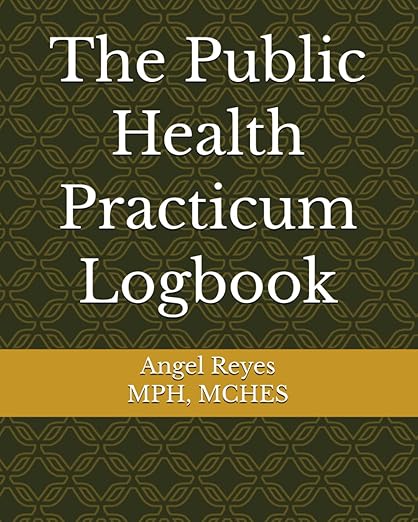
Stop Scrambling at the End of Your Practicum
The Public Health Practicum Logbook gives you the structure to track hours, map competencies, and build portfolio-ready evidence—all semester long.
Get Your Copy on AmazonYou're in a meeting, confused about something fundamental, but everyone else seems to understand. You have a question about a basic process, but asking might reveal you don't know what you should know. You're stuck on a task because you need information, but requesting it feels like admitting failure.
The fear of asking questions plagues practicum students who want to appear competent while simultaneously needing to learn. This tension feels impossible—how can you gain knowledge without revealing you lack it?
The good news is that strategic questioning actually enhances professional perception rather than undermining it. The challenge is learning to ask questions in ways that demonstrate thoughtfulness rather than confusion.
Why This Fear Exists
Students often believe that professionals already know everything relevant to their work, so questions signal inadequate preparation. This belief is false—experienced professionals ask questions constantly—but it persists because students rarely witness senior colleagues' learning processes.
Past academic experiences may reinforce this fear. In some educational settings, questions are discouraged or treated as revealing weakness. Students who learned to stay quiet may carry that habit into professional environments where different norms apply.
Imposter syndrome amplifies question anxiety. If you already feel like you don't belong or aren't qualified, asking questions feels like confirming those fears. The question becomes evidence of inadequacy rather than a normal learning action.
Reframing Questions as Professional Practice
In professional settings, not asking questions is often more damaging than asking them. Making assumptions leads to errors. Working inefficiently because you lack information wastes time. Producing incorrect work because you didn't clarify expectations creates problems.
Experienced professionals ask questions because they know clarification upfront prevents problems later. Asking "What format do you want for this report?" takes thirty seconds. Producing a report in the wrong format takes hours to redo. The question is the more professional choice.
Additionally, questions can demonstrate qualities you want to project. Thoughtful questions show you're engaged with the work. Clarifying questions show attention to detail. Strategic questions show you're thinking ahead. The perception cost of asking is often much lower than you imagine—and sometimes questions enhance rather than diminish how you're perceived.
What Makes a Question Smart
Not all questions are equal. Some genuinely might suggest inadequate preparation. Others demonstrate professional judgment. The difference lies in framing and context.
Smart questions show you've done preliminary work. Instead of "How do I access the data?" try "I've looked in the shared drive and the database portal but can't find the chronic disease data. Am I looking in the wrong place, or is there another source?" This shows effort before asking.
Smart questions are specific rather than vague. Instead of "Can you explain this project?" try "I understand we're assessing community health needs, but I'm unclear whether we're focusing on the entire county or just the southern region. Could you clarify the geographic scope?" Specific questions get useful answers and show you've engaged with the material.
Smart questions reference what you do understand. "I know the grant requires monthly reports on these five metrics. I'm clear on how to calculate four of them, but I'm uncertain how we're defining 'unduplicated contacts.' Can you explain that methodology?" This positions you as mostly capable, with targeted gaps.
Timing and Context Matter
When and how you ask affects perception as much as what you ask. Some timing is better than others.
Ask before you need to—not when you're already stuck. Seeking clarification during planning is proactive. Asking basic questions when a deadline is imminent seems disorganized. Front-load your questions when possible.
Choose appropriate forums. Quick logistical questions might work over email or chat. Complex questions deserve dedicated meeting time. Sensitive questions might need private conversation. Match the question to the context.
Batch questions when possible. Rather than interrupting with each uncertainty, collect questions and address them together. This shows organization and respects others' time.
Building Question Confidence
If question anxiety is significant, practice in lower-stakes situations. Ask a question in a meeting where you're not the most junior person. Seek clarification from a friendly colleague before approaching your preceptor. Each positive experience builds confidence for higher-stakes moments.
Notice how others ask questions. In meetings and conversations, observe professionals you respect. How do they frame their questions? When do they ask? This modeling helps you develop your own style.
Start with questions you're confident about. If you know your question is legitimate—not something you should already know—ask it confidently. Success builds comfort for questions that feel riskier.
The Costs of Not Asking
Consider what happens when you don't ask. You might make incorrect assumptions that lead to wasted work. You might spend hours figuring out something a two-minute conversation could have resolved. You might produce deliverables that miss expectations. You might miss learning opportunities that only emerge through dialogue.
The temporary discomfort of asking is almost always worth avoiding these costs. Even if asking occasionally makes you feel uncomfortable, the alternative—working in confusion—is rarely better.
Professional development requires asking questions. No one enters a practicum knowing everything they'll need to know. Learning is the entire point. Questions are how learning happens. Rather than fighting your need to ask, embrace it as an essential professional practice—one that, done well, enhances rather than undermines your credibility.
Graduate School Success Video Series
Complement your learning with our free YouTube playlist covering essential strategies for thriving in your MPH program and beyond.
Watch the PlaylistFor more graduate school resources, visit Subthesis.com