TL;DR
Start collecting evidence from day one by saving everything you create, and organize it by competency so you're ready when portfolio time arrives.
Stop Scrambling at the End of Your Practicum
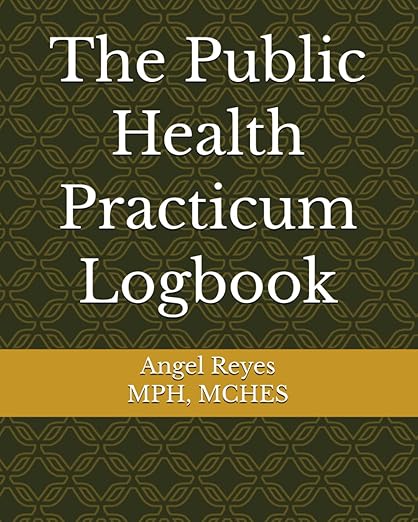
The Public Health Practicum Logbook gives you the structure to track hours, map competencies, and build portfolio-ready evidence—all semester long.
Get Your Copy on AmazonThe email arrives three weeks before your practicum ends: "Please submit your portfolio with evidence demonstrating mastery of each competency." You freeze. What counts as evidence? You've been working hard for months, but you're not sure what you saved, where you saved it, or whether any of it actually demonstrates what you learned. This is evidence collection paralysis, and it's entirely preventable.
Why Evidence Collection Feels Overwhelming
The challenge begins with uncertainty about what qualifies as evidence. Your program talks about demonstrating competency mastery, but that language doesn't clearly translate to the day-to-day work you're doing. Does an email thread count? What about meeting notes? Does everything need to be a polished final product?
This uncertainty leads many students to either save nothing, planning to figure it out later, or save everything, creating an unorganized digital pile that's almost as useless as having nothing. Neither approach serves you when portfolio time arrives.
What Actually Counts as Evidence
Evidence of competency mastery can take many forms. The key is that each piece should demonstrate your skills, knowledge, or professional development in a concrete way.
Work Products: Reports, presentations, data analyses, communication materials, program plans, evaluation tools, or any tangible deliverable you created or contributed to significantly.
Process Documentation: Meeting agendas you developed, facilitation guides, project timelines, or planning documents that show your professional approach.
Reflective Writing: Journal entries, reflection papers, or written analyses that demonstrate your critical thinking about public health practice.
Feedback Records: Evaluations from your preceptor, email praise for specific work, or documentation of how you incorporated feedback into revised products.
Communication Samples: Emails, memos, or other professional correspondence that demonstrate your communication competencies (with appropriate redaction of sensitive information).
Certificates and Training Records: Documentation of professional development activities, trainings completed, or certifications earned during your practicum.
Building an Evidence Collection System
Don't wait until the end of your practicum to think about evidence. Instead, build collection into your weekly routine.
Create a Competency-Based Folder Structure. Set up folders for each competency you're addressing in your practicum. As you complete work, save copies in the relevant folders. Many work products demonstrate multiple competencies, so don't hesitate to save copies in multiple locations.
Save Drafts and Finals. Don't just keep polished final products. Drafts with feedback and your subsequent revisions demonstrate your ability to receive and incorporate constructive criticism, a valuable professional competency in itself.
Document Your Contributions. When you contribute to team projects, document specifically what you did. A brief note explaining "I developed the data collection instrument and conducted the analysis" provides context that the final report alone doesn't capture.
Capture Context While It's Fresh. When you save evidence, add a brief note about what it demonstrates and how it connects to your learning objectives. This context is easy to forget but invaluable when you're assembling your portfolio months later.
Weekly Evidence Review
Set aside fifteen minutes each week to review what you've created and ensure it's properly saved and categorized. Ask yourself what you produced this week, what competencies it demonstrates, whether you have a copy saved in your evidence folders, and what context you should add while you remember the details.
This small weekly investment prevents the frantic end-of-practicum scramble that derails so many students.
Quality Over Quantity
When assembling your final portfolio, you don't need to include every piece of evidence you've collected. Instead, select the strongest examples that most clearly demonstrate your competency mastery.
For each competency, aim for two to three pieces of evidence that show both your ability to perform the skill and your growth over time. A before-and-after comparison, where you show an early draft alongside a final product informed by feedback, can be particularly powerful.
Handling Confidential Information
Some of your best evidence may contain sensitive information that can't be shared in a portfolio. Plan for this reality by creating redacted versions of documents as you go. It's much easier to redact a document when you remember what it contains than to do so months later.
Alternatively, ask your preceptor to write a letter confirming your contributions to work that can't be shared due to confidentiality. This provides portfolio reviewers with verification of your experience without compromising sensitive information.
Starting Today, Wherever You Are
If you're already deep into your practicum and haven't been collecting evidence systematically, don't despair. Start today. Review your sent emails, your computer files, and any project folders you have access to. Gather what you can and begin organizing it now.
Evidence collection paralysis is curable. With a system in place and a weekly habit of organizing your work, you'll arrive at portfolio time confident and prepared instead of panicked and scrambling.
Graduate School Success Video Series
Complement your learning with our free YouTube playlist covering essential strategies for thriving in your MPH program and beyond.
Watch the PlaylistFor more graduate school resources, visit Subthesis.com