TL;DR
Demonstrating competency means showing sufficient skill for entry-level practice, not perfection—embrace the learning process while documenting genuine capability development.
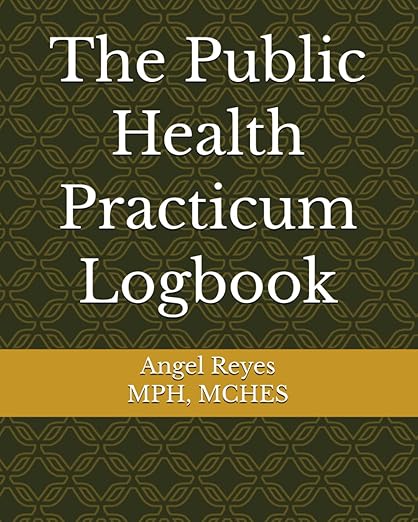
Stop Scrambling at the End of Your Practicum
The Public Health Practicum Logbook gives you the structure to track hours, map competencies, and build portfolio-ready evidence—all semester long.
Get Your Copy on AmazonThe competency documentation asks you to demonstrate mastery. But you still have questions. You still make mistakes. You still feel like you're learning, not like you've learned. How can you claim competency when imposter syndrome whispers that you're not actually competent yet?
This tension—between ongoing learning and required demonstration—troubles thoughtful students who take competency claims seriously. The honest ones hesitate to assert capability they don't feel they fully possess. Understanding what competency demonstration actually requires helps resolve this conflict.
What Competency Actually Means
Competency isn't the same as expertise. It doesn't mean you've mastered everything about a skill. It means you've developed sufficient capability for entry-level practice. You can perform the skill adequately in appropriate contexts with appropriate support.
Consider an analogy: new drivers are competent when they pass their driving test. They're not expert drivers. They'll continue improving for years. But they've demonstrated sufficient capability to operate a vehicle safely under normal conditions. Competency is the baseline, not the ceiling.
For public health practitioners, competency means you can apply the skill in typical entry-level situations. You understand the fundamentals, can execute basic applications, and know when to seek guidance for complex cases. You're ready to practice, not ready to teach.
The Learning Process Is Evidence
Ironically, your awareness that you're still learning actually demonstrates competency. Experts in any field recognize the limits of their knowledge. Dunning-Kruger research shows that true incompetence often comes with overconfidence. Your humble recognition that you have more to learn suggests genuine understanding of what the skill involves.
When documenting competency, include your learning process as evidence. Describe how you recognized knowledge gaps and addressed them. Explain what questions you asked and what resources you consulted. Show how you improved from your starting point through your practicum.
This documentation demonstrates not just skill acquisition but the metacognitive awareness essential for continued professional development. You'll spend your entire career learning—showing that you know how to learn demonstrates preparation for practice.
Shifting from Perfection to Progress
Competency documentation isn't about proving you're flawless. It's about demonstrating you've reached a threshold and can continue developing from there. This shift in perspective transforms how you approach documentation.
Instead of asking "Am I perfect at this?" ask "Have I developed real capability?" Instead of listing everything you still don't know, focus on what you've genuinely learned and applied. Instead of comparing yourself to experts, compare yourself to entry-level expectations.
Progress is your friend. If you entered your practicum with minimal experience in stakeholder communication and finished able to facilitate productive meetings, you've demonstrated competency development. The gap between your starting and ending points shows learning happened—and that learning is the evidence.
Honest Documentation Strategies
You can document competency honestly without claiming expertise you don't feel. Specific, accurate language helps.
Instead of "I mastered evidence-based practice," write "I applied evidence-based approaches by using CDC surveillance data and Community Guide recommendations to inform program decisions." The first claims mastery you might not feel. The second describes specific actions that demonstrate competency without overclaiming.
Acknowledge complexity appropriately. "Through this project, I developed foundational skills in qualitative analysis, recognizing both my growing capability and the additional expertise I'll continue building throughout my career." This shows competency while honestly acknowledging ongoing development.
Include challenges and problem-solving. "When initial stakeholder engagement yielded limited participation, I researched alternative approaches and adapted my strategy, ultimately achieving meaningful community input." Overcoming obstacles demonstrates competency more convincingly than claiming everything came easily.
When Imposter Syndrome Interferes
Sometimes the problem isn't honest self-assessment—it's imposter syndrome distorting your perception. You might be more competent than you feel. External feedback provides reality checks.
Ask your preceptor directly: "Do you think I'm demonstrating competency in this area?" Their perspective, based on observing your actual performance, provides objective information your anxious self-talk might discount.
Compare your work to entry-level expectations, not expert performance. Look at job descriptions for positions you might seek after graduation. Can you do what those positions require? That's the competency standard—not whether you match professionals with twenty years of experience.
Embracing the Developmental Nature of Competency
Competency isn't a destination you reach and stay at forever. It's a threshold you cross, after which continued development expands your capability. The practicum demonstrates you've crossed that threshold—not that you've completed your journey.
Every public health professional continues learning throughout their career. New challenges, new evidence, new methods constantly require growth. Your practicum documentation captures a moment in your developmental trajectory—sufficient capability for entry-level practice with recognition that practice will continue developing that capability.
This perspective transforms competency documentation from intimidating proof of mastery to honest reflection on meaningful growth. You don't have to be finished to demonstrate competency. You have to be ready to start—and your practicum work shows you are.
Graduate School Success Video Series
Complement your learning with our free YouTube playlist covering essential strategies for thriving in your MPH program and beyond.
Watch the PlaylistFor more graduate school resources, visit Subthesis.com