TL;DR
Multiple programs competing for limited practicum sites is normal—differentiate yourself through preparation, professionalism, and demonstrated value.
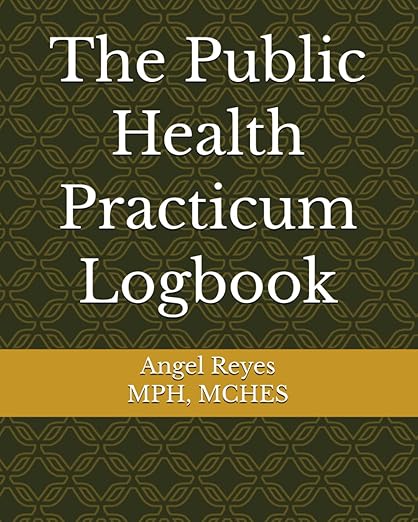
Stop Scrambling at the End of Your Practicum
The Public Health Practicum Logbook gives you the structure to track hours, map competencies, and build portfolio-ready evidence—all semester long.
Get Your Copy on AmazonYou identify the perfect practicum site only to learn they receive applications from students at three other MPH programs in your region. The organization can host perhaps four students but receives thirty inquiries. Suddenly your search becomes a competition where preparation, presentation, and differentiation matter enormously.
Multiple public health programs drawing from the same employer pool creates persistent challenges, particularly in metropolitan areas with several graduate programs. Understanding how to position yourself successfully in competitive situations improves your outcomes.
Why Competition Has Intensified
The growth of MPH programs has outpaced expansion of practicum sites. New programs launch without establishing commensurate new placement partnerships. Online programs enroll students nationally but often lack local site relationships, pushing those students to compete with traditional programs for existing opportunities.
Meanwhile, organizational capacity to host students has not grown proportionally. Budget constraints limit supervision availability. Staff turnover disrupts established practicum relationships. Remote work has reduced some organizations' interest in hosting on-site students.
The result is structural imbalance: more students seeking placements than quality sites available to host them. This imbalance varies by specialty—some areas face acute competition while others have adequate supply—but the general trend affects most students' searches.
Understanding What Organizations Value
Competitive advantage begins with understanding what makes students attractive to hosting organizations. Supervisors consistently report valuing reliability, professionalism, and preparation over credentials or prestigious program affiliation.
Organizations want students who will contribute meaningfully without requiring excessive supervision. Demonstrating relevant skills, clear understanding of the organization's work, and specific ideas about how you can help signals that hosting you will be valuable rather than burdensome.
Professional communication throughout the application process matters enormously. Prompt responses, well-written materials, thoughtful questions, and appropriate follow-up distinguish you from competitors who may be equally qualified but less polished in their approach.
Differentiating Your Application
Research organizations thoroughly before applying. Generic applications that could have been sent to any organization rarely succeed against tailored submissions. Reference specific programs, cite recent organizational achievements, and explain precisely why you are interested in this particular opportunity.
Highlight distinctive qualifications even if they seem tangential. Language skills, specific technical capabilities, community connections, or previous experience in related sectors may matter to organizations even when not explicitly required. You never know what combination of skills a supervisor is seeking.
Quantify your potential contribution when possible. Rather than saying you have "experience with data analysis," specify the tools you know, the types of analysis you have conducted, and outcomes you have achieved. Concrete evidence of capability is more convincing than general claims.
Offer something extra that competitors likely will not. A student who proposes developing a specific resource, bringing particular expertise, or committing to extended hours may stand out from those making standard applications for standard positions.
Leveraging Program Relationships
Your program likely has established relationships with certain organizations that prefer or exclusively accept students from partner institutions. Understand which sites fall into this category and prioritize those applications.
Faculty connections can provide significant advantage. A recommendation from a professor who has collaborated with an organization or trained its current staff carries weight that unsolicited applications cannot match. Ask faculty explicitly about their organizational connections and request introductions where appropriate.
Alumni networks represent underutilized resources. Professionals who graduated from your program often feel loyalty to their educational institution and willingness to help current students. Alumni working at your target organizations can advocate internally for your candidacy or provide insights that strengthen your application.
Timing and Persistence
Many organizations fill practicum positions well before posted deadlines. Students who apply early, while positions remain open and supervisor attention is fresh, often secure spots while later applicants compete for remaining slots or find none available.
Begin your search earlier than you think necessary. Identify target organizations in the semester before you need to begin practicum. Make initial contacts while supervisors are planning rather than when they are overwhelmed with applications.
If initial applications are unsuccessful, stay engaged with organizations. Express continued interest, ask about future opportunities, and offer to contribute in alternative ways. Students who demonstrate persistent professionalism sometimes receive placements when initial selections fall through or additional capacity emerges.
Expanding the Pool
When competition for established sites proves overwhelming, consider creating new opportunities. Organizations not currently hosting students might welcome a well-prepared proposal from someone offering specific value. Being the first practicum student at an organization avoids competition entirely.
Look beyond obvious choices. While everyone applies to the prominent health department and major hospital system, smaller organizations, emerging initiatives, and non-traditional sites may offer excellent experiences with less competition. Your practicum need not be at a prestigious institution to be valuable—quality of experience matters more than organizational reputation.
Geographic flexibility, willingness to work in less glamorous roles, and openness to emerging program areas all expand your options beyond the most competitive opportunities. Finding a placement that fits your situation may matter more than winning the competition for the most sought-after position.
Competition is stressful but manageable. Preparation, professionalism, and strategic positioning enable success even in crowded fields.
Graduate School Success Video Series
Complement your learning with our free YouTube playlist covering essential strategies for thriving in your MPH program and beyond.
Watch the PlaylistFor more graduate school resources, visit Subthesis.com