TL;DR
Student burnout is real and serious—recognizing the warning signs and taking proactive recovery steps is essential before exhaustion compromises your ability to complete your program and launch your career.
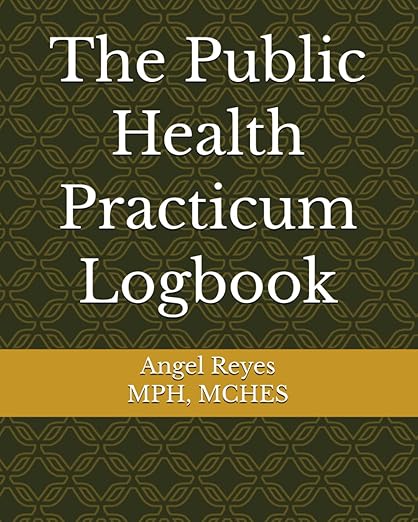
Stop Scrambling at the End of Your Practicum
The Public Health Practicum Logbook gives you the structure to track hours, map competencies, and build portfolio-ready evidence—all semester long.
Get Your Copy on AmazonYou used to care about this work. You chose public health because it mattered to you. Now you're going through the motions, exhausted, detached, wondering why you're here. Assignments that once engaged you feel meaningless. Your practicum, which should be exciting professional development, feels like just another obligation. You're not sure when enthusiasm became exhaustion, but here you are—burned out before your career has even started.
Student burnout is increasingly common and insufficiently discussed. The combination of academic demands, practicum requirements, financial pressures, and life responsibilities creates conditions where burnout can develop even among people who haven't yet entered full-time professional work. Recognizing this pattern and responding effectively matters for both completing your degree and preserving your capacity for a long public health career.
Understanding Student Burnout
Burnout is more than being tired. It involves three core components: exhaustion (emotional and physical depletion), cynicism (detachment from work that once felt meaningful), and reduced efficacy (feeling that your efforts don't matter or aren't producing results).
All three elements typically appear together, distinguishing burnout from normal fatigue. You might be tired after a hard week but still engaged and finding meaning. Burnout involves a deeper disconnection—going through motions without feeling present, caring, or effective.
For students, burnout often develops cumulatively. The first semester is demanding but manageable. The second semester adds more. By the time practicum begins on top of coursework and possibly employment, the accumulated demands exceed sustainable capacity. The breaking point isn't a single event but the accumulation of chronic stress.
Graduate students face particular burnout risks. Imposter syndrome, unclear expectations, financial strain, delayed career entry, and the intensity of professional training all contribute. Public health students specifically may experience compassion fatigue from engaging with difficult topics—health disparities, suffering, systemic failures—that compound personal stress.
Warning Signs to Recognize
Physical symptoms often appear first: persistent fatigue that sleep doesn't resolve, frequent illness, headaches, digestive problems, or sleep disturbances. Your body is signaling that demands exceed capacity.
Emotional symptoms include feeling drained, unable to cope, increasingly irritable, or emotionally numb. Things that used to bring joy feel flat. Anxiety or depression may increase. You might feel trapped or hopeless about your situation.
Behavioral changes manifest in withdrawal from activities and relationships, declining quality of work, procrastination that worsens even as deadlines approach, increased use of alcohol or other substances, or neglecting self-care that previously was routine.
Cognitive symptoms include difficulty concentrating, forgetfulness, inability to make decisions, or persistent negative thoughts about your work, your field, or yourself.
The question isn't whether you're stressed—everyone in graduate school is stressed. The question is whether stress has crossed into burnout territory where your functioning is significantly impaired and normal recovery strategies aren't working.
Why This Matters for Your Career
Burning out before entering the workforce has serious implications. Starting your career from a depleted state sets you up for professional burnout. The patterns you develop now—pushing through exhaustion, ignoring warning signs, treating self-care as optional—will carry forward.
Additionally, burnout affects performance. If you complete your degree in a burnout state, you may not produce work that reflects your actual capabilities. Job searching while burned out is particularly difficult—you need energy and engagement to present yourself well.
Most importantly, public health needs people who can sustain long careers. The problems we address are chronic, systemic, and persistent. If you burn out in your twenties, you can't contribute in your forties. Building sustainable practices now isn't self-indulgent—it's strategic preparation for a marathon career.
Responding to Burnout
Acknowledge what's happening. Denial prolongs burnout. Admitting that you're experiencing something beyond normal tiredness is the necessary first step toward addressing it.
Identify what can change. What demands could be reduced, even temporarily? Could you drop a class, extend your timeline, reduce work hours, or modify practicum expectations? Sometimes significant recovery requires significant changes, even if they feel costly.
Protect non-negotiable recovery activities. Sleep, exercise, social connection, and activities that restore you are not optional extras to fit in after obligations—they're essential maintenance for functioning. Schedule them like any other requirement.
Set boundaries more firmly. If you've been saying yes to everything, start saying no. Protect time that isn't committed to production. Let some opportunities pass because you don't have capacity to pursue everything.
Seek support. Talk to trusted friends, family, advisors, or counselors about what you're experiencing. Burnout thrives in isolation. Others can offer perspective, practical help, or simply witness your struggle.
Consider professional help. If burnout is severe or accompanied by depression or anxiety, a therapist or counselor can provide structured support. Some burnout requires more than self-help strategies.
Communicating About Burnout
Telling your faculty advisor or preceptor that you're struggling can feel risky, but hiding severe burnout often backfires. Work quality declines, deadlines get missed, and the situation becomes harder to explain.
You don't need to share every detail. Something like "I'm dealing with some burnout and working on recovery strategies. I wanted you to know in case you notice changes in my engagement or if I need to discuss any adjustments" opens conversation without oversharing.
Most advisors and preceptors have experienced burnout themselves or witnessed it in others. Many will respond with support and flexibility. Asking for accommodation shows self-awareness and professional maturity—qualities that matter more than pretending you're fine when you're not.
Preventing Future Burnout
Once you've recovered, examine what led to burnout and what might prevent recurrence. Were there early warning signs you ignored? Are there commitments you should have declined? What practices protected you, and which ones eroded?
Build regular recovery into your schedule rather than treating it as optional. Sustainable pace means deliberately choosing not to maximize every moment. Margin in your life absorbs unexpected demands without pushing you over the edge.
Monitor yourself ongoing. Check in regularly: How's your energy? Your engagement? Your sense of meaning in the work? Catching early signs of burnout allows intervention before crisis develops.
You chose public health because you want to make a difference. Making a difference requires being present and capable—not just for the next few months, but for decades. Taking burnout seriously isn't weakness; it's wisdom about what sustainable impact requires. Your future self and the communities you'll serve deserve a practitioner who arrives intact.
Graduate School Success Video Series
Complement your learning with our free YouTube playlist covering essential strategies for thriving in your MPH program and beyond.
Watch the PlaylistFor more graduate school resources, visit Subthesis.com