TL;DR
Start the affiliation agreement process immediately after securing your placement, and proactively follow up with all parties to prevent delays that could push back your start date.
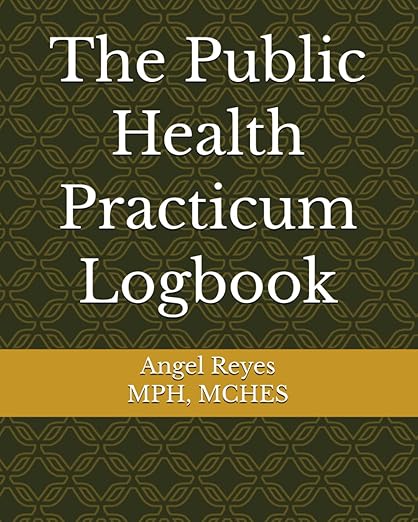
Stop Scrambling at the End of Your Practicum
The Public Health Practicum Logbook gives you the structure to track hours, map competencies, and build portfolio-ready evidence—all semester long.
Get Your Copy on AmazonYou have done the hard work of searching for a practicum, submitting applications, interviewing, and receiving an offer from an organization you are excited to work with. Everything seems set, and then you learn about the affiliation agreement, a formal contract between your university and the host organization that must be signed before you can begin. What seems like a formality can turn into a weeks-long or even months-long delay that disrupts your carefully planned timeline.
What Affiliation Agreements Are and Why They Matter
Affiliation agreements are legal contracts that establish the terms and conditions under which a student will complete their practicum at an external organization. They typically address liability and insurance coverage, confidentiality requirements, intellectual property ownership, supervision responsibilities, and procedures for addressing problems. Both your university and the host organization need to agree to these terms before you can officially start.
These agreements exist to protect all parties, including you. They ensure that there is clarity about expectations and that you have appropriate coverage if something goes wrong. However, the process of negotiating and signing them can be slow and frustrating.
Why Delays Happen
Multiple factors contribute to affiliation agreement delays. Large organizations often have legal departments that review all contracts, and your practicum agreement may be low on their priority list. Universities have their own legal review processes that can create backlogs, especially at the beginning of semesters when many students are seeking placements.
Sometimes the delay comes from substantive disagreements about contract terms. Your university might require specific liability coverage that the organization finds unreasonable, or the organization might want intellectual property provisions that the university cannot accept. These negotiations can go back and forth for extended periods.
In other cases, the delay is simply administrative. The right person is on vacation, the document is sitting in someone's email inbox, or there is confusion about who needs to sign and in what order. These mundane obstacles can add weeks to the process.
Strategies for Minimizing Delays
The most important thing you can do is start the process immediately after receiving your offer. Contact your practicum coordinator on the same day to ask about the affiliation agreement process. Find out whether an agreement already exists with your organization, as many common practicum sites have standing agreements that do not need to be renegotiated.
If a new agreement is needed, ask about the typical timeline and what you can do to expedite the process. Volunteer to serve as a communication hub, ensuring that documents move promptly between parties. Provide contact information proactively and follow up regularly to check on status.
Get to know the people involved in the process at both your university and the host organization. A friendly relationship with the administrative staff who handle these documents can make a difference when you need someone to prioritize your agreement.
What to Do While You Wait
If the agreement process is taking longer than expected, use the time productively. Ask your preceptor if there are any readings, online trainings, or background materials you can review before you officially start. Learn about the organization's work, the community they serve, and the context in which you will be operating.
Begin thinking about your practicum goals and the competencies you hope to demonstrate. Draft preliminary versions of your learning agreement so you are ready to finalize it quickly once you can begin. This preparation will help you hit the ground running when the paperwork finally clears.
Stay in touch with your preceptor during this period, but be mindful of their time. A brief weekly email updating them on the agreement status and expressing your continued enthusiasm keeps the relationship warm without being burdensome.
Advocating Without Alienating
Sometimes delays require you to advocate more assertively for your needs. If your start date is approaching and the agreement is not complete, communicate clearly with both your practicum coordinator and your preceptor about the consequences of further delay. Will you lose credits for the semester? Will the organization need to find a different student?
Frame your advocacy around shared interests. Everyone wants the practicum to happen, and everyone benefits from getting the agreement finalized. Ask specific questions about where the process is stuck and what would help move it forward. Offer to make phone calls, send reminder emails, or provide additional information that might be needed.
Avoid expressing frustration with the individuals involved, even when the delays feel unreasonable. The people you interact with during this process may be colleagues or references in your future career. Maintaining professional relationships matters.
Planning for the Possibility of Delay
Given how common affiliation agreement delays are, build buffer time into your planning from the start. If you need to complete your practicum by a certain date, work backward and begin the placement search earlier than you otherwise would. Discuss contingency plans with your practicum coordinator in case the agreement is not completed in time.
Some programs allow students to begin informal orientation activities before the agreement is final, as long as they are not doing substantive work. Ask whether this option exists and what activities would be permissible.
The affiliation agreement process is rarely glamorous, but navigating it successfully is part of learning to work within institutional systems, a skill you will use throughout your public health career.
Graduate School Success Video Series
Complement your learning with our free YouTube playlist covering essential strategies for thriving in your MPH program and beyond.
Watch the PlaylistFor more graduate school resources, visit Subthesis.com