TL;DR
Use a simple formula to translate daily activities into competency language: describe the action, the public health context, and the skill demonstrated.
Stop Scrambling at the End of Your Practicum
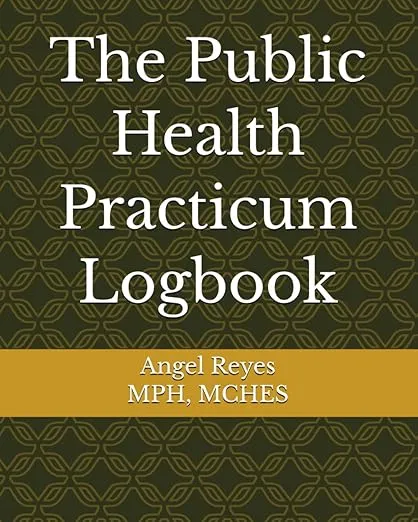
The Public Health Practicum Logbook gives you the structure to track hours, map competencies, and build portfolio-ready evidence—all semester long.
Get Your Copy on AmazonYou attended a community meeting today. Now you need to document it in a way that demonstrates your public health competencies. You stare at the blank page. "Attended community meeting" doesn't capture what you actually did or learned. But how do you translate the messy reality of your day into polished professional documentation? This is activity description writer's block, and every practicum student encounters it.
Why This Writing Feels So Difficult
The challenge isn't that you lack writing skills. It's that you're being asked to do something unfamiliar: translate lived experience into academic and professional language simultaneously. You need to describe what you did in terms that satisfy program requirements, demonstrate competency development, and reflect genuine public health practice. That's a lot to accomplish in a few sentences.
Additionally, when you're immersed in daily work, it's hard to see the broader significance of your activities. The meeting felt ordinary. But documenting it requires stepping back to identify its public health relevance. If you find yourself struggling with competency language itself, that added translation layer makes the writing even harder.
A Simple Formula That Works
When you're stuck, try this three-part structure: Action plus Context plus Competency.
Action: What did you actually do? Be specific about your role, not just your presence. Did you facilitate discussion? Take notes? Present information? Observe stakeholder dynamics?
Context: What was the public health significance? Connect your activity to broader public health goals, populations, or issues.
Competency: What skill did this demonstrate or develop? Link your activity to specific competencies from your learning objectives.
Let's apply this formula to the community meeting example.
Weak description: "Attended community meeting about health issues."
Stronger description using the formula: "Co-facilitated a two-hour community advisory board meeting focused on identifying barriers to diabetes prevention program participation among Hispanic residents. Practiced stakeholder engagement skills while documenting community priorities for program planning."
The second version demonstrates what you did, why it matters, and what competency it addresses.
Building Your Vocabulary
Part of the struggle with activity descriptions is vocabulary. Academic competency language doesn't match how we naturally describe our work. Building a bridge between these languages makes documentation easier.
Keep a reference list of competency-aligned verbs. Instead of "helped with," consider analyzed, coordinated, developed, evaluated, facilitated, implemented, or synthesized. Instead of "worked on," try designed, drafted, revised, created, or produced.
Review your program's competency statements and identify key terms. When documenting activities, intentionally incorporate this language where it genuinely applies. This isn't about making your work sound fancier than it was. It's about accurately describing your activities in terms your reviewers will recognize.
Documenting Different Types of Activities
Meetings: Focus on your role, the purpose, and what you contributed or learned. Who was present? What decisions were made? What was your specific contribution?
Independent Work: Describe the task, your approach, and the outcome. What resources did you consult? What challenges did you navigate? What did you produce?
Learning Conversations: When you learn from your preceptor or colleagues, document the topic, key insights, and how you'll apply what you learned.
Observations: Even when you're observing rather than doing, document what you learned about public health practice, organizational dynamics, or community needs.
Overcoming Perfectionism
Writer's block often stems from perfectionism. You want each activity description to be perfectly crafted, so you write nothing at all. Instead, embrace the rough draft. This is a common challenge across practicum documentation, similar to the paralysis students feel when collecting evidence for competency portfolios.
Write a messy first version immediately after the activity when details are fresh. Use informal language if that's what flows. Later, you can revise for competency alignment and professional tone. A rough description captured today is infinitely more valuable than a perfect description you never write.
Creating Templates for Recurring Activities
If you have activities that repeat regularly, create template descriptions you can customize. For recurring meetings, your template might include "Participated in [meeting name] focused on [topic]. Contributed to discussion regarding [your specific input]. This experience developed competency in [relevant area]."
Starting from a template reduces the cognitive load of facing a blank page each time. Students who maintain organized documentation systems also avoid the stress of navigating the never-ending hour log dilemma.
The Fifteen-Minute Daily Practice
The best cure for activity description writer's block is regular practice. Set aside fifteen minutes at the end of each practicum day to document your activities. This brief daily investment prevents the accumulation of undocumented days that become impossible to reconstruct accurately.
Over time, translating your work into professional documentation becomes automatic. The formula becomes internalized. The vocabulary becomes natural. What once felt like an impossible writing task becomes simply another part of your professional practice.
FAQ
Q: How detailed should my activity descriptions be? A: Aim for two to four sentences per activity that capture your specific role, the public health context, and the competency demonstrated. Enough detail that someone unfamiliar with your site could understand what you did and why it mattered, but concise enough to write consistently each day.
Q: Can I use the same description template for similar activities that repeat weekly? A: Yes, but customize each entry with specific details from that day. A template provides structure, but reviewers notice if every entry is identical. Note different topics discussed, new contributions you made, or evolving competencies to show progression over time.
Q: What if my daily activities feel too routine or minor to document? A: Even routine tasks demonstrate competencies when described with context. Filing reports demonstrates organizational skills and data management. Answering phones at a health clinic demonstrates communication and client engagement. The formula of Action plus Context plus Competency transforms any genuine activity into meaningful documentation.
Your activities matter. Your documentation should reflect that. With practice and the right approach, you'll move past writer's block and create records that truly demonstrate your public health competency development.
Graduate School Success Video Series
Complement your learning with our free YouTube playlist covering essential strategies for thriving in your MPH program and beyond.
Watch the PlaylistFor more graduate school resources, visit Subthesis.com